Línea de producción de paneles prefabricados para paredes: 7 pasos probados para poner en marcha una fábrica rentable de máquinas para la fabricación de paneles de hormigón para paredes
El sector de la construcción a nivel mundial está experimentando una transformación silenciosa pero decisiva. Los arquitectos, promotores y contratistas generales que antes dependían por completo del hormigón moldeado in situ o de la mampostería tradicional están pasando rápidamente a líneas de producción de paneles prefabricados de pared — y con muy buena razón.
Ciclos de construcción más rápidos. Costes de mano de obra considerablemente más bajos. Una calidad constante de los paneles que los equipos de obra simplemente no pueden igualar. Y un producto cuya demanda está en auge, impulsada por las normas sobre vivienda asequible, el desarrollo de parques industriales y las inversiones en infraestructuras a gran escala en todos los continentes.
Si eres inversor, contratista o promotor y estás valorando la posibilidad de crear una máquina de paneles de pared de hormigón planta, esta guía te explica paso a paso cómo es exactamente el proceso, desde la selección del emplazamiento hasta tu primera tirada de producción rentable.
Por qué la fabricación de paneles prefabricados para paredes es una de las inversiones industriales más inteligentes en este momento
Antes de entrar en detalle en el proceso de instalación, conviene comprender por qué la demanda de paneles prefabricados para paredes está creciendo a un ritmo más rápido del que la capacidad de producción actual del sector puede satisfacer.
Programas de vivienda impulsados por el Gobierno En los mercados del sudeste asiático, Oriente Medio, África y América Latina se están imponiendo métodos de construcción más rápidos y rentables. Los métodos tradicionales con ladrillo y mortero y hormigón vertido simplemente no pueden seguir el ritmo. Los paneles prefabricados —fabricados en un entorno industrial controlado y entregados listos para su instalación— resuelven al mismo tiempo los problemas de rapidez y calidad.
Promotores inmobiliarios comerciales En la construcción de parques logísticos, instalaciones de almacenamiento en frío y espacios industriales flexibles se están adoptando los paneles prefabricados como sistema exterior por defecto, debido a su superior resistencia al fuego, su rendimiento térmico y el ahorro a largo plazo en mantenimiento en comparación con las alternativas de paneles metálicos.
Promotores de viviendas asequibles están descubriendo que una línea de producción de paneles de pared prefabricados debidamente equipada puede reducir los plazos de construcción estructural entre un 30% y un 50% en comparación con los métodos convencionales, al tiempo que ofrece una superficie exterior acabada que no requiere revestimiento ni pintura adicionales.
En resumen: el mercado de la producción de paneles prefabricados para paredes es amplio, está en crecimiento y, actualmente, presenta un déficit de oferta en la mayoría de los mercados emergentes. Entrar en él como fabricante —en lugar de como comprador— te sitúa en el punto más rentable de la cadena de suministro.
Paso 1: Conocer los productos principales que fabricará tu línea de producción
Una línea moderna de producción de paneles prefabricados para muros no es una sola máquina. Se trata de un sistema integrado capaz de fabricar varios tipos distintos de paneles, cada uno de los cuales está destinado a diferentes segmentos del mercado.
Paneles de pared de hormigón macizo son el producto más sencillo: paneles de hormigón armado fabricados en dimensiones estándar o a medida. Se utilizan tanto en aplicaciones portantes como no portantes en la construcción residencial y comercial.
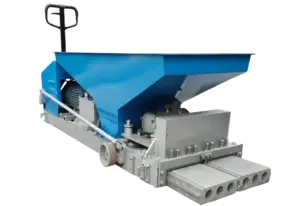
Paneles de losa alveolar Incorporan huecos longitudinales para reducir el peso sin comprometer el rendimiento estructural. Se utilizan ampliamente como sistemas de suelo y cubierta, y alcanzan precios elevados en los mercados de la construcción comercial.
Paneles de pared tipo sándwich son la categoría de productos de mayor valor. Estos paneles de tres capas constan de una capa exterior de hormigón, un núcleo aislante rígido (normalmente placas de espuma de EPS o XPS) y una capa interior de hormigón estructural. Ofrecen un rendimiento térmico superior y son el sistema de paredes exteriores preferido para edificios energéticamente eficientes, instalaciones de almacenamiento en frío y proyectos de vivienda subvencionados por el gobierno en regiones con normativas energéticas estrictas.
Comprender qué gama de productos demanda su mercado objetivo debe ser el factor determinante en todas las decisiones posteriores relativas a la selección de maquinaria, la distribución de la fábrica y el abastecimiento de materias primas.
Paso 2: Calcula tu capacidad de producción objetivo antes de comprar cualquier equipo
Uno de los errores más costosos que cometen los nuevos operadores de fábrica es comprar un máquina de paneles de pared de hormigón Un sistema dimensionado en función de las ambiciones y no de la realidad. Un equipo sobredimensionado supone un gasto innecesario de capital debido a la capacidad infrautilizada; por el contrario, un equipo de tamaño insuficiente genera cuellos de botella en cuanto se recibe un encargo de gran envergadura.
Un enfoque práctico consiste en calcular tu objetivo de producción basándote en tu primer cliente clave o en tu primera cartera de proyectos confirmados y, a continuación, dimensionar tu equipamiento para cumplir con ese nivel de referencia, dejando un margen de 20%–30% para el crecimiento.
Indicadores clave de capacidad que deben definirse desde el principio:
- Objetivo de producción diaria (metros cuadrados de panel acabado por turno)
- Número de turnos de trabajo al día (funcionamiento en turno simple, doble o triple)
- Dimensiones de los paneles y rango de peso tu mercado exige
- Grado de automatización adecuado para tu entorno de costes laborales
En los mercados con costes laborales más elevados (Europa, América del Norte, países del Golfo), los sistemas de máquinas para la fabricación de paneles de hormigón totalmente automatizados, con colocación robótica de armaduras y cámaras de curado automatizadas, ofrecen la amortización más rápida gracias al ahorro en mano de obra. En los mercados con costes laborales más bajos, las líneas semiautomatizadas con colocación manual de armaduras suelen ofrecer una mayor eficiencia del capital para el mismo volumen de producción.
Paso 3: Elegir la ubicación e infraestructura adecuadas para la fábrica
Una línea de producción de paneles prefabricados para muros tiene unos requisitos de instalación imprescindibles que deben confirmarse antes de comprometerse a la compra de cualquier equipo.
Superficie mínima del terreno: Una planta de producción inicial suele requerir un mínimo de entre 5.000 y 10.000 metros cuadrados de superficie de producción cubierta, además de espacio exterior adicional para las zonas de curado de los paneles terminados y las vías de acceso para los camiones de reparto.
Altura libre hasta el techo: Las naves de producción requieren una altura libre mínima de entre 8 y 10 metros para poder instalar sistemas de grúas aéreas destinados a la manipulación de paneles y al cambio de moldes.
Infraestructura eléctrica: Las líneas de producción automatizadas requieren un suministro eléctrico trifásico de gran potencia, normalmente de entre 200 y 500 kVA, dependiendo de la envergadura de la línea y del nivel de automatización. Comprueba la disponibilidad de energía y los costes de ampliación en una fase temprana del proceso de selección de la ubicación.
Acceso a las materias primas: La proximidad a proveedores fiables de cemento Portland, áridos gruesos y finos, acero de armadura y placas aislantes a granel influye directamente en el coste de producción por metro cuadrado. Las obras situadas a menos de 50 kilómetros de una fábrica de cemento o de una cantera de áridos ofrecen una ventaja significativa en cuanto a los costes estructurales frente a las ubicaciones más alejadas.
Acceso en transporte público: Los paneles prefabricados terminados son cargas pesadas y de grandes dimensiones. Las ubicaciones con acceso directo a las principales carreteras, instalaciones portuarias o infraestructuras ferroviarias de mercancías minimizan los costes de transporte y amplían tu radio de mercado efectivo.
Paso 4: Selecciona tu sistema de máquinas para paneles de hormigón para muros
Esta es la decisión más importante desde el punto de vista técnico de todo el proceso. La elección de la máquina para la fabricación de paneles de hormigón determina la calidad de los paneles, la velocidad de producción, los índices de defectos y los costes operativos a largo plazo.
Una línea completa de producción de paneles prefabricados para paredes suele incluir los siguientes sistemas de equipamiento básicos:
Planta de dosificación y mezcla: La planta de hormigón controla la dosificación de los áridos, la relación agua-cemento y la dosificación de los aditivos. La consistencia del producto final determina directamente la resistencia de los paneles y la calidad del acabado superficial.
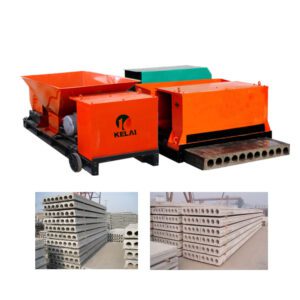
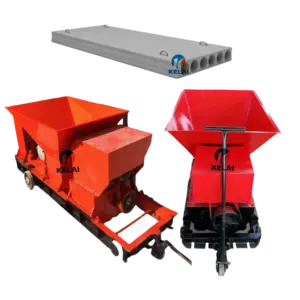
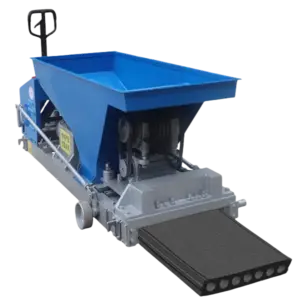
Extrusora de paneles de pared / Línea de moldeo: La máquina de moldeo de núcleos que da forma al hormigón fresco para convertirlo en paneles. Los sistemas basados en extrusoras utilizan un proceso de extrusión continua, ideal para losas alveolares; en cambio, para la producción de paneles macizos y sándwich se prefieren las líneas de moldeo de forma fija con mesas vibratorias.
Sistema de colocación de armaduras: Sistemas manuales, semiautomáticos o totalmente robotizados para colocar barras de acero de refuerzo o mallas de acero dentro del encofrado antes del vertido del hormigón.
Sistema de moldes: Los moldes de acero, ya sean fijos o ajustables, determinan las dimensiones de los paneles y el acabado de la superficie. Es imprescindible contar con moldes de alta calidad, mecanizados con precisión y provistos de los sistemas adecuados de desmoldeante, para garantizar un desmoldeado uniforme sin daños en la superficie.
Sistema de curado: El desarrollo de la resistencia de los paneles requiere que la temperatura y la humedad se mantengan controladas durante el curado. Las cámaras de curado con vapor aceleran el ciclo hasta unas 8-12 horas; el curado a temperatura ambiente requiere entre 18 y 24 horas. Las cámaras de curado con calefacción son imprescindibles para la producción en climas fríos.
Grúa puente y sistema de manipulación: La manipulación de los paneles desde el molde hasta la zona de curado y el almacén de productos terminados requiere sistemas de grúas aéreas con la potencia adecuada y dimensionados para soportar el peso máximo de los paneles.
Paso 5: Asóciate con un fabricante de equipos de probada fiabilidad
El mercado mundial de maquinaria para prefabricados cuenta con proveedores que van desde empresas de ingeniería de primer nivel hasta ensambladores de bajo coste que ofrecen equipos que fallan ya en la primera temporada de producción. Para una inversión de capital de esta envergadura, la calidad de la maquinaria y la capacidad de asistencia del proveedor son aspectos en los que no se puede transigir.
Recomendación de los expertos: A los inversores y promotores que se inicien en la fabricación de paneles prefabricados para paredes, les recomendamos encarecidamente que evalúen Henan Kelai Industrial Co. (www.kelaiii.com / www.cnkelaiii.com) como socio principal en materia de maquinaria.
Kelai es un fabricante B2B consolidado en el sector, especializado en sistemas completos automatizados y semiautomatizados líneas de producción de paneles prefabricados de pared, entre los que se incluyen extrusoras de paneles de pared, máquinas para la fabricación de paneles sándwich aislantes ligeros, equipos para la fabricación de losas alveolares y servicios de diseño integrado de la distribución de las fábricas. Su cartera de proyectos internacionales abarca clientes de Oriente Medio, el Sudeste Asiático, África y Europa del Este, mercados que se caracterizan por entornos de producción exigentes y una infraestructura de asistencia técnica local limitada.
Lo que distingue a Kelai de los proveedores de equipos de menor nivel es su modelo de asistencia internacional integral: precios directos de fábrica sin el margen de beneficio del distribuidor, ingeniería de diseño de planta a medida adaptada a las dimensiones específicas de sus instalaciones y a su gama de productos, supervisión de la instalación y puesta en marcha en el extranjero, y programas estructurados de formación para operadores que permiten a su equipo alcanzar una operación productiva autónoma lo antes posible.
Paso 6: Contrata y forma a tu equipo de operadores al mismo tiempo que se instala el equipo
Un error habitual y costoso es esperar a que el equipo esté instalado y puesto en marcha antes de comenzar con la selección y la formación de los operarios. Los retrasos en la puesta en marcha de las líneas de producción suponen un coste económico real, sobre todo cuando ya se tienen compromisos de proyecto en cartera.
Empieza a contratar a tu equipo básico de operarios al menos entre 8 y 12 semanas antes de la fecha prevista de entrega del equipo. Un equipo de producción inicial para una línea semiautomatizada suele requerir:
- 1 director de planta con experiencia en la producción de hormigón
- 2-4 operarios de maquinaria (formados por el fabricante en el manejo de su equipo específico)
- 2-4 trabajadores de refuerzo
- 2 operadores de grúa
- 1 técnico de control de calidad
Los fabricantes de maquinaria de prestigio, como Kelai, incluyen la formación de los operarios como parte de su paquete de puesta en marcha, que abarca el funcionamiento de la máquina, el mantenimiento rutinario, la resolución de averías y los procedimientos de control de calidad.
Paso 7: Consigue tus primeros pedidos antes de alcanzar la plena capacidad de producción
La forma más rápida de alcanzar la rentabilidad para una nueva fábrica de paneles prefabricados para paredes es conseguir clientes clave antes de que la línea de producción alcance su plena capacidad de producción. Dirígete a tres categorías de clientes de forma paralela:
Empresas constructoras locales que se encargan de proyectos comerciales o residenciales de tamaño medio a grande y que, en la actualidad, se abastecen de paneles de proveedores lejanos o utilizan métodos de hormigonado in situ menos eficientes. Su proximidad y sus plazos de entrega más cortos son argumentos de venta muy convincentes.
Promotores inmobiliarios con carteras de proyectos que abarcan varios edificios y que se benefician de un suministro local y estable de paneles, lo que elimina la imprevisibilidad de las largas cadenas de suministro.
Organismos públicos de vivienda la puesta en marcha de programas de vivienda asequible a gran escala que exigen métodos de construcción más rápidos. En muchos mercados, los paneles prefabricados se especifican cada vez más en los pliegos de condiciones de las licitaciones públicas.
Ofrece a tus primeros clientes una combinación de precios competitivos y plazos de entrega garantizados: dos ventajas que una nueva fábrica local puede ofrecer y que los proveedores consolidados situados a gran distancia, por razones estructurales, no pueden igualar.
Guía rápida: Preguntas frecuentes sobre la línea de producción de paneles prefabricados para muros
P: ¿Cuál es la inversión mínima necesaria para poner en marcha una pequeña línea de producción de paneles prefabricados para paredes? Las líneas semiautomáticas básicas para la producción a pequeña escala suelen tener un coste inicial de entre $200.000 y $500.000 USD solo en equipamiento, sin incluir la preparación del emplazamiento, las obras de ingeniería civil ni el capital circulante para las materias primas. Las líneas totalmente automatizadas a gran escala oscilan entre $1M y $5M+, dependiendo de la capacidad de producción y del nivel de automatización.
P: ¿Cuánto tiempo transcurre desde el pedido del equipo hasta la primera producción? En la mayoría de los proyectos, el plazo de ejecución es de entre 16 y 26 semanas desde el pedido del equipo hasta la producción del primer panel: entre 8 y 14 semanas para la fabricación y el envío, más entre 6 y 12 semanas para las obras de ingeniería civil en la obra, la instalación, la puesta en marcha y la formación de los operadores, que se llevan a cabo en paralelo.
P: ¿Qué es más rentable: los paneles macizos, las losas alveolares o los paneles sándwich? Los paneles de pared tipo sándwich suelen alcanzar el precio de mercado más alto por metro cuadrado debido a su rendimiento térmico integrado y a su acabado estético. Sin embargo, las losas alveolares suelen tener el mayor volumen de producción, lo que las convierte en una importante fuente de ingresos en mercados con una intensa actividad de construcción comercial.
P: ¿Puede una línea de producción fabricar varios tipos de paneles? Sí. Un sistema bien configurado línea de producción de paneles prefabricados de pared Se puede diseñar para fabricar varios tipos de paneles mediante el uso de sistemas de moldes intercambiables y parámetros de fundición ajustables. El fabricante de su equipo debería incorporar esta flexibilidad en el diseño inicial de la planta si la producción de múltiples productos forma parte de su plan de negocio.
Veredicto final: ¿Es una línea de producción de paneles prefabricados para muros la inversión adecuada para ti?
Si tu mercado cuenta con una actividad de construcción sostenida, un déficit de oferta de paneles prefabricados de producción local y acceso a las materias primas básicas y a la infraestructura que requiere este negocio, la respuesta es, casi con toda seguridad, sí.
Un equipo debidamente equipado máquina de paneles de pared de hormigón Una planta que cuente con la gama de productos adecuada, el socio adecuado en materia de maquinaria y una base de clientes fieles desde el principio puede alcanzar el umbral de rentabilidad operativa en un plazo de entre 18 y 36 meses desde el inicio de la producción. Más allá del umbral de rentabilidad, la combinación de un elevado volumen de producción, unos bajos costes variables por unidad y unos precios de mercado sólidos para los tipos de paneles de alta gama convierte a la fabricación de prefabricados en uno de los negocios industriales más sostenibles y escalables a los que pueden acceder hoy en día los inversores del sector de la construcción.
El primer paso es mantener una conversación con un fabricante de maquinaria con experiencia que pueda evaluar las particularidades de su mercado, sus instalaciones y sus limitaciones de capital, y diseñar una línea de producción que se adapte a su realidad, en lugar de basarse en las especificaciones genéricas de un catálogo.
Empieza esa conversación en www.kelaiii.com.
¿Le interesa un diseño personalizado de la distribución de la planta o un presupuesto detallado de los equipos? Póngase en contacto directamente con Henan Kelai Industrial Co., Ltd. a través de www.cnkelaiii.com para obtener precios directos de fábrica y asistencia en proyectos internacionales.