Beton Duvar Paneli Üretim Ekipmanları: Hindistan Pazarı İçin Kapsamlı Bir Alıcı Kılavuzu
Giriş
Hindistan’ın inşaat sektörü, yapısal bir dönüşüm sürecinin ortasındadır. Pradhan Mantri Awas Yojana (PMAY), Akıllı Şehirler Misyonu ve büyük ölçekli altyapı programları gibi hükümet girişimleri, daha hızlı, daha ölçeklenebilir ve daha uygun maliyetli inşaat çözümlerine yönelik benzeri görülmemiş bir talep yaratmaktadır.
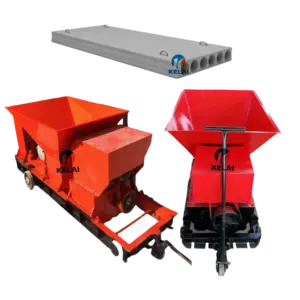
Bu değişimin merkezinde yer alan şey beton duvar paneli̇ üreti̇m eki̇pmanlari — hazır beton duvar panellerinin şantiye dışında, fabrika kontrolünde üretilmesini sağlayan endüstriyel makineler. Doğru şekilde kullanıldığında, bu ekipman inşaat sürelerini –50% oranında kısaltabilir, şantiyedeki işgücü bağımlılığını azaltabilir ve geleneksel tuğla örme yönteminin asla ulaşamayacağı tutarlı bir kalite sunabilir.
Bu kılavuz, değerlendirme aşamasında olan B2B karar vericileri — geliştiriciler, müteahhitler ve prekast üreticileri — için hazırlanmıştır. prekast duvar paneli üretim ekipmanları Hindistan’daki projeler için ve doğru yatırımı yapmak üzere net ve pratik bir çerçeve arıyorlar.
Ekipman Seçimi Neden Projenin Başarısını Belirliyor?
Büyük ölçekli inşaat projelerinde — toplu konut siteleri, sanayi parkları, çevre duvarları veya ticari mekanların iç mekân düzenlemeleri — projenizin kalitesi ve kapasitesi beton duvar paneli̇ üreti̇m eki̇pmanlari Projenizin zaman çizelgesine, bütçesine ve kalite kriterlerine uyup uymadığını doğrudan belirler.
Yanlış ekipman seçimi, öngörülebilir sonuçlara yol açar:
- Son aşamadaki kurulumları geciktiren üretim darboğazları
- Şantiyede maliyetli yeniden işleme gerektiren panel boyut tutarsızlıkları
- Kârlılığı azaltan, bakım kaynaklı uzun kesinti süreleri
- Proje hacimleri arttıkça üretim kapasitesini artıramama durumu
Sağ prekast duvar paneli üretim ekipmanları, üretim gereksinimlerinize ve şantiye koşullarınıza uygun olarak tasarlanan bu çözüm, bir inşaat veya prekast şirketinin sahip olabileceği en güçlü rekabet avantajlarından biri haline gelir.
“Büyük ölçekli inşaat projelerinde doğru makine seçimi bir gider değil, uzun vadeli bir verimlilik yatırımıdır.”
1. Adım: Beton Duvar Paneli Üretim Ekipmanının Aslında Neleri İçerdiğini Anlamak
Tedarikçileri değerlendirmeden önce, bir projenin tam kapsamını anlamak önemlidir. beton duvar paneli̇ üreti̇m eki̇pmanlari kurulum. Tam kapsamlı bir üretim sistemi tek bir makineden ibaret değildir — sırayla çalışan, birbiriyle entegre bileşenlerden oluşan bir hattır:
🔹 Beton Karıştırma Sistemi
Kalıplama aşamasına homojen ve oranları hassas bir şekilde ayarlanmış bir beton karışımı sağlar. Hafif duvar panelleri için, ekstrüzyon kalitesini sağlamak amacıyla karışım toprak kuru olmalı, çökme değeri sıfır olmalı ve agrega tanecik boyutları kontrol altında tutulmalıdır.
🔹 Duvar Paneli Ekstrüderi (Ana Makine)
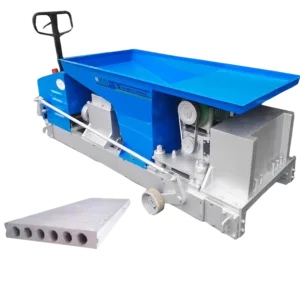
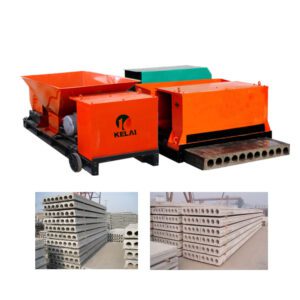
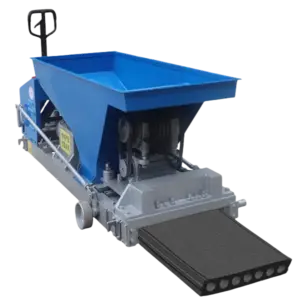
Üretim hattının kalbi. Şekillendirme boşluğunun içindeki vidalı burgu, hazneden betonu alır, eşzamanlı titreşim ve ekstrüzyon yoluyla sıkıştırır ve makine döküm yatağı boyunca ilerlerken sürekli olarak homojen paneller üretir. Modeller, vida sayısı (3–12), şekillendirme genişliği ve hidrolik konfigürasyon bakımından farklılık gösterir.
🔹 Döküm Yatakları ve Kalıplar
Ekstrüderin üzerinde hareket ettiği uzun çelik döküm raylar. Panel uzunluğu yatak tarafından belirlenir; paneller, kürleme işleminden sonra teknik özelliklere göre kesilir. Kalıp tasarımı, içi boş, dolu veya özel şekilli (T, L, H) profiller için özelleştirilebilir.
🔹 Sertleştirme Sistemi
Paneller, ya kontrollü sıcaklıklı buharlı kürleme odalarında ya da koruyucu örtüler kullanılarak ortam sıcaklığında doğal kürleme yoluyla kürlenir. Panellerin kesilip sevk edilmesinden önce hedeflenen basınç dayanımına ulaşılabilmesi için doğru kürleme işlemi kesinlikle vazgeçilmezdir.
🔹 Kesme ve İşleme Aletleri
Sertleşme işleminden sonra paneller, elmas testere ekipmanları kullanılarak istenen uzunlukta kesilir ve istifleme ve nakliye amacıyla hidrolik panel eğme makineleri veya tavan vinçleri yardımıyla döküm yatağından kaldırılır.
🔹 Yardımcı Ekipmanlar
Beton taşıma arabaları, panel depolama rafları ve kalite kontrol cihazlarını içerir. Yüksek verimli operasyonlar için, üretim aşamaları arasındaki manuel taşıma işlemlerini en aza indirmek amacıyla otomatik taşıma sistemleri entegre edilebilir.
2. Adım: Hindistan’a Özgü Talep Etkenlerini Değerlendirmek
Hindistan sadece büyük bir inşaat pazarı değildir — aynı zamanda, onu beton duvar paneli̇ üreti̇m eki̇pmanlari yerel koşullara özellikle uygun.
1. Konut Açığının Boyutu
Hindistan, 10 milyondan fazla kentsel konut birimi olarak tahmin edilen bir konut sıkıntısıyla karşı karşıya. Geleneksel tuğla-beton inşaat yöntemi, bu açığı gereken hızda kapatamıyor. Prekast duvar paneli üretim ekipmanları Tek bir üretim hattından günde yüzlerce metrekare duvar paneli üretilmesini mümkün kılarak, Hindistan’ın konut programlarının gerektirdiği ölçeği sağlıyor.
2. İklim Dayanıklılığı Gereklilikleri
Ön dökümlü beton paneller, muson yağmurlarının yoğun olduğu kıyı bölgelerinden Rajasthan’ın aşırı sıcağına ve Himalaya eteklerindeki sismik bölgelere kadar, Hindistan’ın çeşitli iklim koşullarında geleneksel duvar yapımından daha üstün performans gösterir. Fabrikada kontrol edilen kürleme işlemi, şantiyedeki hava koşullarından bağımsız olarak üstün nem direnci, ısıl performans ve yapısal tutarlılığa sahip panellerin üretilmesini sağlar.
3. İşgücü Piyasasındaki Baskılar
Hindistan’ın inşaat sektörü, kilit mesleklerde giderek artan vasıflı işgücü sıkıntısıyla karşı karşıya. Modern bir beton duvar paneli̇ üreti̇m eki̇pmanlari Bu hat, geleneksel duvarcılık yöntemlerine kıyasla çok daha az sayıda operatörle çalışır; bu sayede üretim aşamasında işgücüne olan bağımlılığı azaltır ve şantiyede kurulum süresini önemli ölçüde kısaltır.
4. Yeşil İnşaat Zorunlulukları
Hindistan Enerji Verimliliği Bürosu (BEE) ve Entegre Yaşam Alanı Değerlendirmesi için Yeşil Derecelendirme (GRIHA) çerçeveleri, inşaat firmalarını sürdürülebilir inşaat yöntemlerine yönlendirmektedir. Prekast üretim, daha az malzeme israfına yol açar, geri dönüştürülmüş agregaların ve endüstriyel yan ürünlerin (uçucu kül gibi) kullanılmasına olanak tanır ve mükemmel ısı yalıtım özelliklerine sahip paneller üretir — bunların tümü Hindistan’ın sürdürülebilirlik gündemiyle uyumludur.
3. Adım: Ekipman Türünü Üretim Hedeflerinize Uygun Olarak Seçin
Hepsi değil beton duvar paneli̇ üreti̇m eki̇pmanlari aynı amaca hizmet eder. Makine tipini, spesifik panel uygulamanıza uygun hale getirmek, üretim verimliliği ve ürün kalitesi açısından hayati önem taşır.
| Panel Tipi | Önerilen Ekipmanlar | Hindistan’daki Başlıca Uygulama |
|---|---|---|
| Sağlam ve hafif duvar paneli | Standart duvar paneli ekstrüderi | İç bölmeler, uygun fiyatlı konutlar |
| İçi boş duvar paneli | Mandrelli içi boş ekstrüder | Dış duvarlar, ısı yalıtımı uygulamaları |
| T şeklindeki köşe paneli | T şeklindeki ekstrüder | Konut binalarında dikişsiz köşe bağlantıları |
| L şekilli bağlantı paneli | L şekilli ekstrüder | Duvar köşe bağlantıları, yapısal çerçeveler |
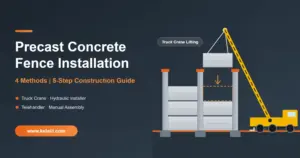
| Prekast çit / sınır paneli | Çit paneli makinesi + H-kolon makinesi | Sanayi bölgeleri, tarım arazileri, konut siteleri |
Ekipman Seçimi Öncesi Cevaplanması Gereken Temel Sorular:
- Günlük üretim hedefiniz kaç metrekare?
- Tek tip panel mi üreteceksiniz, yoksa birden fazla profil mi?
- Tek bir uzun vadeli projeye mi hizmet veriyorsunuz, yoksa birden fazla müşteriye mi?
- Fabrikanızda kullanılabilir zemin alanı ve döküm yatağı uzunluğu ne kadardır?
4. Adım: Temel Teknik Özellikleri Değerlendirin
Karşılaştırırken prekast duvar paneli üretim ekipmanları Farklı tedarikçilerden ürün alırken, genel fiyat yerine şu teknik parametrelere odaklanın:
🔹 Üretim Hızı
Yüksek frekanslı ekstrüder modelleri, dakikada 2 ila 3,5 metre arasında sürekli şekillendirme hızlarına ulaşır; bu da üretim hattı başına günlük 500 metrekareye varan bir üretim kapasitesine karşılık gelir. Bu rakamları teorik maksimum değerler üzerinden değil, gerçekçi çalışma koşulları altında doğrulayın.
🔹 Panel Boyut Aralığı
Makinenin desteklediği panel genişliklerini (genellikle 600 mm–1.200 mm), kalınlıklarını (70 mm–200 mm) ve maksimum panel uzunluğunu (döküm yatağına göre belirlenir) doğrulayın. Proje özellikleriniz standart aralıkların dışındaysa, özelleştirme seçeneğinin mevcut olduğundan emin olun.
🔹 Vidalı Konveyör Yapısı
Besleme vidalarının sayısı (modele bağlı olarak 3 ila 12 adet), şekillendirme genişliğini ve sıkıştırma kalitesini belirler. Vidaların sayısı arttıkça, daha geniş paneller elde edilir ve kesit boyunca yoğunluk dağılımı daha homojen hale gelir.
🔹 Titreşim Sistemi
Yüksek frekanslı titreşim motorları, panel yoğunluğu ve yüzey kalitesi açısından hayati öneme sahiptir. Titreşim frekansını, motorun nominal gücünü ve titreşim sisteminin farklı beton karışımlarına göre ayarlanıp ayarlanamayacağını değerlendirin.
🔹 Hidrolik Kaldırma Sistemi
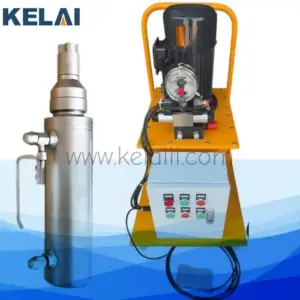
Ekstrüder için yarı otomatik veya tamamen hidrolik bir kaldırma ve yeniden konumlandırma sistemi, kesintisiz üretim açısından hayati önem taşır. Manuel yeniden konumlandırma, gereksiz duruş sürelerine yol açar ve operatörün yorgunluğunu artırır.
🔹 Yüzey İşleme Kalitesi
Makinenin arka kısmında bulunan son işlem sıyırıcı, panelin görünür yüzeyinin pürüzsüzlüğünü belirler. Satın alma kararını vermeden önce tedarikçiden temin ettiğiniz örnek panelleri değerlendirin.
5. Adım: Yarı Otomatik ve Tam Otomatik Sistemlerin Karşılaştırılması
Uygun otomasyon düzeyi, hedef pazarınıza, altyapı koşullarınıza ve üretim ölçeğinize bağlıdır.
| Faktör | Yarı Otomatik Ekipmanlar | Tam Otomatik Ekipman |
|---|---|---|
| İlk Yatırım | Alt | Daha yüksek |
| Günlük Üretim | 200–300 m² | En fazla 500 m² |
| Gerekli İşgücü | 4–6 operatör | 2–3 operatör |
| Elektriğe Bağımlılık | Alt | Daha yüksek |
| Bakım Karmaşıklığı | Daha basit | Eğitimli teknisyenler gerektirir |
| En Uygun Olduğu Durumlar | Küçük ve orta ölçekli üreticiler; elektrik kısıtlamalarının olduğu pazarlar | Büyük ölçekli üreticiler; kentsel üretim tesisleri |
| ROI Zaman Çizelgesi | Daha kısa | Daha uzun vadeli ancak daha yüksek mutlak getiri |
Özellikle Hindistan pazarı için, yarı otomatik beton duvar paneli̇ üreti̇m eki̇pmanlari Elektrik tedarikinin kesintili olabileceği 2. ve 3. kademe şehirlerde yaygın olarak benimsenirken, metropol bölgelerindeki konut geliştirme projelerine tedarik sağlayan büyük kentsel prekast fabrikalarında ise tam otomatik hatlar tercih edilmektedir.
6. Adım: Sadece Satın Alma Fiyatını Değil, Uzun Vadeli Yatırım Getirisini (ROI) Hesaplayın
İlk kez ev satın alanlar arasında sıkça görülen bir hata prekast duvar paneli üretim ekipmanları makinenin kullanım ömrü boyunca en iyi getiri yerine en düşük sermaye maliyetini hedeflemektir. Onarım maliyetleri asgari düzeyde tutulan ve 8–10 yıl boyunca çalışan bir makine, sık sık parça değişimi ve planlanmamış duruş süreleri gerektiren daha ucuz bir alternatife kıyasla neredeyse her zaman daha iyi bir ekonomik verimlilik sağlayacaktır.
Değerlendirilmesi gereken temel ROI faktörleri:
| Maliyet Faktörü | Uygun Fiyatlı Ekipmanlar | Yüksek Kaliteli Ekipman |
|---|---|---|
| İlk Satın Alma Fiyatı | Düşük | Orta düzeyde |
| Enerji Tüketimi | Metrekare başına daha yüksek | Optimize edilmiş |
| Bakım Sıklığı | Yüksek | Düşük |
| Yedek Parça Bulunabilirliği | Öngörülemez | Garantili (ayrılmış stok) |
| Arıza Süresi Riski | Yüksek | Düşük |
| Beklenen Hizmet Ömrü | 3–5 yıl | 8–10 yıl |
| 5 Yıllık Net Yatırım Getirisi | Alt | Önemli Ölçüde Daha Yüksek |
Hindistan’daki köklü prekast tesislerinden elde edilen belgelenmiş sonuçlar, kaliteli sınıfa geçişin beton duvar paneli̇ üreti̇m eki̇pmanlari Kelai Machinery’nin sunduğu çözüm, geleneksel duvarcılık yöntemlerine kıyasla proje tamamlanma süresinde 40%’ye varan bir hız artışı ve işçilik maliyetlerinde 25%’lik bir azalma sağlamıştır.
Duvar Paneli Üretiminde Sık Karşılaşılan Gerçek Hayat Zorlukları
Kaliteli ekipmanlara sahip olsanız bile, prekast üretim süreçlerinde operasyonel zorluklarla karşılaşılır. Bunları önceden anlamak, ilk günden itibaren kurulumunuza bu zorlukları hafifletecek önlemleri dahil etmenizi sağlar.
1. Sorun: Tutarsız Panel Boyutları Bunun nedeni, beton karışımındaki nem oranının yanlış ayarlanması veya sıyırıcı bileşenlerinin aşınmasıdır. Çözüm: Karışım tasarımında sıkı kontroller uygulanmalı ve sıyırıcılar için düzenli bir denetim programı oluşturulmalıdır.
2. Sorun: Sertleşmeden Sonra Yüzeyde Çatlak Oluşumu Genellikle yetersiz kürleme sıcaklığı kontrolü veya panellerin zamanından önce hareket ettirilmesinden kaynaklanır. Çözüm: Sıcaklık profilleri izlenebilen kürleme battaniyeleri veya buharlı kürleme odaları kullanın; kalıptan çıkarmadan önce asgari kürleme süresi protokolleri belirleyin.
3. Sorun: Ekstrüderde Sıkışma Beton karışımı çok ıslak olduğunda veya agrega tanecik boyutu şartname değerlerini aştığında ortaya çıkar. Çözüm: Kontrollü agrega tanecik dağılımına sahip, toprak kuru ve çökme değeri sıfır olan beton kullanın; operatörlere her üretim döngüsünden önce karışım kalitesi kontrolleri yapmaları konusunda eğitim verin.
4. Zorluk: Yedek Parça Tedarik Sürelerinin Uzunluğu İthal ekipmanlar için önemli bir operasyonel risk. Çözüm: Özel bir yedek parça stoğu bulunduran ve kritik bileşenleri 24–48 saat içinde sevk edebilecek bir tedarikçi seçin.
5. Zorluk: Operatörlerin Beceri Eksikliği Prekast ekipmanlarının tutarlı sonuçlar vermesi için eğitimli operatörlere ihtiyaç vardır. Çözüm: Tedarikçinizden kapsamlı bir yerinde devreye alma eğitimi talep edin ve personelin sürekli gelişimi için eğitim belgelerini saklayın.
Yatırımınızı Geleceğe Hazırlamak
Bu beton duvar paneli̇ üreti̇m eki̇pmanlari Pazar hızla gelişiyor. Hindistan’ın inşaat sektörü olgunlaştıkça ve proje hacimleri arttıkça, üretim ekipmanlarına yönelik talepler de buna paralel olarak artacaktır. Günümüzde ekipman seçerken, geleceğe yönelik şu kriterleri göz önünde bulundurun:
- Modüler genişletilebilirlik — Aynı tesise, büyük çaplı yapısal değişiklikler yapılmadan ikinci bir ekstrüder veya ilave döküm yatakları eklenebilir mi?
- Özel şekil üretme kapasitesi — Ürün yelpazeniz genişledikçe, aynı tedarikçi mevcut üretim hattınızla uyumlu T, L, H ve U profilli makineler sağlayabilir mi?
- Yeşil malzeme uyumluluğu — Bu ekipman, sürdürülebilir inşaat sözleşmelerinde giderek daha fazla zorunlu hale gelen geri dönüştürülmüş beton agregaları ve uçucu kül gibi endüstriyel yan ürünlerle çalışacak şekilde tasarlanmış mıdır?
- Dijital entegrasyon — Üretim hattı, gerçek zamanlı üretim takibi ve kalite denetimi amacıyla ERP veya üretim yönetim sistemlerine bağlanabilir mi?
- Tedarikçinin uzun vadeli varlığı — Tedarikçinin, ekipmanınızın 8–10 yıllık hizmet ömrü boyunca destek sağlayabilecek üretim kapasitesi ve uluslararası varlığı var mı?
Henan Kelai Industrial Co., Ltd. Neden Güvenilir Bir Küresel Tedarikçidir?
Hindistanlı geliştiriciler, müteahhitler ve prekast üreticileri için tedarik prekast duvar paneli üretim ekipmanları, Henan Kelai Industrial Co, Ltd. güvenilir bir uluslararası iş ortağı olarak sağlam bir başarı geçmişi oluşturmuştur.
2008 yılında kurulan ve merkezi Çin’in Henan Eyaleti’ndeki Zhengzhou’da bulunan Kelai Machinery, şu ana kadar beton duvar paneli̇ üreti̇m eki̇pmanlari 30'dan fazla ülkedeki müşterilere hizmet sunmakta olup, Güney Asya, Güneydoğu Asya, Afrika ve Orta Doğu'da kullanıcı tabanı giderek artmaktadır.
Kelai’yi diğerlerinden ayıran özellik:
- Tam ürün yelpazesi — Standart duvar paneli ekstrüderleri, T/L/H/U şekilli özel makineler, çit paneli üretim hatları, içi boş döşeme makineleri ve eksiksiz üretim hattı konfigürasyonları
- Tam özelleştirme — Panel genişliği, kalınlığı, vida sayısı, hidrolik konfigürasyonu ve döküm yatağı uzunluğu, projenizin teknik özelliklerine göre özelleştirilebilir
- Otomasyon seçenekleri — Hem yarı otomatik (güç kısıtlamaları olan pazarlara uygun) hem de tam hidrolik otomatik sistemler mevcuttur
- Özel yedek parça stoğu — Kelai, hızlı sevkiyat için tüm kritik bileşenlerin stokunu bulundurarak üretim kesinti sürelerini en aza indirir
- 7/24 teknik destek — Makinenin kullanım ömrü boyunca uzaktan sorun giderme ve yerinde servis desteği sunulmaktadır
- Eğitim ve devreye alma — Her ekipman siparişine kapsamlı operatör eğitimi ve üretim hattının devreye alınması desteği dahildir
Hintli alıcılar için Kelai’nin rekabetçi fiyatları, uluslararası nakliye imkânları ve hızlı yanıt veren satış sonrası ekibi, şirketi her ölçekteki proje için — günde 200 m² üretim yapan küçük prekast tesislerinden, günlük 500+ m² üretim hedefleyen büyük üretim tesislerine kadar — yerli tedarikçilere karşı pratik ve uygun maliyetli bir alternatif haline getirmektedir.
Son Düşünceler
Beton duvar paneli üretim ekipmanları Artık sadece uzman müteahhitlere özgü bir teknoloji değil; Hindistan’ın hızla kentleşen ekonomisinde büyük ölçekte faaliyet gösteren her inşaat şirketi için temel bir üretim aracı haline geliyor.
Bir [şey]'e yatırım yapma kararı prekast duvar paneli üretim ekipmanları Bu hat stratejik bir öneme sahiptir ve sistemli bir değerlendirme sürecini hak etmektedir: üretim hedeflerinizi belirleyin, ekipman türünü panel uygulamanıza uygun hale getirin, otomasyon seviyelerini altyapınızın gerçek durumuyla karşılaştırın ve sadece satın alma fiyatı değil, makinenin tüm hizmet ömrü boyunca elde edilecek yatırım getirisini (ROI) hesaplayın.
Henan Kelai Industrial Co., Ltd. gibi kendini kanıtlamış küresel bir tedarikçiyle iş birliği yaparak, Hintli inşaat firmaları ve prekast üreticileri, uzun vadeli üretim faaliyetlerinin gerektirdiği teknik destek ve yedek parça temin güvencesiyle desteklenen, yüksek performanslı ve özelleştirilebilir ekipmanlara erişim imkânı elde ederler.
Projeniz için en uygun beton duvar paneli üretim ekipmanlarını keşfetmeye hazır mısınız?
Ücretsiz danışmanlık ve size özel üretim hattı teklifi için bugün Henan Kelai Industrial Co., Ltd. ile iletişime geçin.
🌐 Web sitesi: www.kelaiii.com 📱 WhatsApp: +86 17788171295 📧 E-posta: [email protected]
SSS
S1: Beton duvar paneli üretim ekipmanı nedir? Beton duvar paneli üretim ekipmanı, fabrika ortamında ön dökümlü beton duvar panellerinin üretilmesinde kullanılan endüstriyel makinelerin tamamını ifade eder. Tam bir üretim hattı, beton karıştırma sistemi, duvar paneli ekstrüderi, döküm yatakları, kürleme sistemi ile kesme ve taşıma aletlerini içerir. Paneller, kesin teknik özelliklere göre şantiye dışında üretilir ve ardından hızlı montaj için şantiyelere nakledilir.
S2: Hindistan’da prefabrik duvar paneli üretim ekipmanları neden giderek daha popüler hale geliyor? Hindistan’daki konut açığı, işgücü sıkıntısı, iklim çeşitliliği ve yeşil inşaat zorunlulukları, prefabrik duvar paneli üretim ekipmanlarının benimsenmesini teşvik etmektedir. Prekast sistemler, inşaat sürelerini –50 oranında kısaltabilir, şantiyedeki işgücü ihtiyacını önemli ölçüde azaltabilir, Hindistan’ın tüm iklim koşullarına uygun, hava koşullarına dayanıklı paneller üretebilir ve büyük inşaat firmaları ile devlet konut programları tarafından talep edilen sürdürülebilirlik sertifikalarıyla uyumlu olabilir.
Soru 3: Yarı otomatik ve tam otomatik beton duvar paneli üretim ekipmanları arasında nasıl bir seçim yapmalıyım? Yarı otomatik sistemler, küçük ve orta ölçekli üreticiler, elektrik tedarikinin istikrarsız olduğu pazarlar ve daha düşük başlangıç sermaye maliyetinin öncelikli olduğu işletmeler için daha uygundur. Tam otomatik sistemler ise daha yüksek günlük üretim, birim başına daha düşük işçilik maliyeti ve daha fazla tutarlılık sunar; bu da onları, büyük konut veya altyapı projelerine tedarik sağlayan büyük kentsel prekast fabrikaları için doğru seçim haline getirir. Kararınızı verirken hedef günlük üretim miktarınızı, yerel altyapı koşullarını ve 5 yıllık üretim büyüme tahminlerinizi göz önünde bulundurmalısınız.
Soru 4: Beton duvar paneli üretim ekipmanlarının ömrü genellikle ne kadardır? Kelai Machinery gibi saygın üreticilerin ürettiği yüksek kaliteli prekast duvar paneli üretim ekipmanları, uygun önleyici bakım uygulandığında 8–10 yıllık bir çalışma ömrüne sahiptir. Bu bakım, ekstrüder, hazne ve döküm yatağının günlük temizliğini; sıyırıcılar ve burgu kanatları gibi aşınan parçaların haftalık kontrolünü; ayrıca aylık yağlama ve dişli kutusu kontrollerini içerir. Kalite skalasının alt ucunda yer alan ekipmanlar ise 3–5 yıl içinde büyük bir revizyona veya değiştirilmeye ihtiyaç duyabilir.
S5: Henan Kelai Industrial Co., Ltd. satın alma sonrasında ne tür bir destek sunmaktadır? Kelai, yerinde devreye alma ve operatör eğitimi, 7/24 uzaktan teknik destek, hızlı sevkiyat imkânına sahip özel bir yedek parça stoğu ve sorun giderme ile üretim optimizasyonu konusunda danışmanlık için Kelai’nin küresel teknik ekibine erişim dahil olmak üzere kapsamlı satış sonrası destek sunmaktadır. Üretim gereksinimleri değiştiğinde tüm ekipmanlar satış sonrası olarak özelleştirilebilir; örneğin, mevcut bir standart duvar paneli üretim hattına özel şekilli bir ekstrüder eklenebilir.
Anahtar kelimeler: beton duvar paneli üretim ekipmanları, prekast duvar paneli üretim ekipmanları, Hindistan'da prekast duvar paneli makinesi, hafif beton duvar paneli ekstrüderi, prekast beton panel üretim hattı
Satılık Prekast Beton Duvar Paneli Ekstruder Makinesi | Kelai Üretici