Equipos para la fabricación de paneles de hormigón: una guía completa para el comprador en el mercado indio
Introducción
El sector de la construcción de la India se encuentra inmerso en una transformación estructural. Iniciativas gubernamentales como el Pradhan Mantri Awas Yojana (PMAY), la Misión de Ciudades Inteligentes y los programas de infraestructuras a gran escala están generando una demanda sin precedentes de soluciones de construcción más rápidas, más escalables y más rentables.
En el centro de este cambio se encuentra Equipo para la fabricación de paneles de hormigón para muros. — maquinaria industrial que permite la producción fuera de la obra, controlada desde fábrica, de paneles prefabricados de hormigón para paredes. Cuando se utiliza correctamente, este equipo puede acortar los plazos de construcción entre un 30 y un 50%, reducir la dependencia de la mano de obra en la obra y ofrecer una calidad constante que el albañilería tradicional simplemente no puede igualar.
Esta guía está dirigida a los responsables de la toma de decisiones en el ámbito B2B —desarrolladores, contratistas y fabricantes de elementos prefabricados— que están evaluando equipos para la fabricación de paneles prefabricados para paredes para proyectos en la India y desean contar con un marco claro y práctico que les permita realizar la inversión adecuada.
Por qué la elección del equipo es clave para el éxito de un proyecto
En proyectos de construcción a gran escala —complejos de viviendas sociales, parques industriales, muros perimetrales o acondicionamientos de locales comerciales—, la calidad y la capacidad de tu Equipo para la fabricación de paneles de hormigón para muros. determina directamente si tu proyecto cumple con los plazos, el presupuesto y los criterios de calidad establecidos.
Una elección errónea del equipo tiene consecuencias previsibles:
- Cuellos de botella en la producción que retrasan la instalación posterior
- Las inconsistencias dimensionales de los paneles que provocan costosas modificaciones in situ
- Los tiempos de inactividad debidos a un mantenimiento intensivo que merman la rentabilidad
- Incapacidad para adaptar la producción al aumento del volumen de los proyectos
El derecho equipos para la fabricación de paneles prefabricados para paredes, adaptada a tus necesidades de producción y a las condiciones de la obra, se convierte en una de las ventajas competitivas más potentes que puede tener una empresa de construcción o de prefabricados.
“En la construcción a gran escala, contar con la maquinaria adecuada no es un gasto, sino una inversión en productividad a largo plazo”.”
Paso 1: Comprender qué incluye realmente el equipo de fabricación de paneles de hormigón para paredes
Antes de evaluar a los proveedores, es importante comprender el alcance total de un Equipo para la fabricación de paneles de hormigón para muros. Configuración. Un sistema de producción completo no es una sola máquina, sino una línea integrada de componentes que funcionan de forma secuencial:
🔹 Sistema de mezcla de hormigón
Suministra una mezcla de hormigón homogénea y con proporciones precisas a la fase de encofrado. En el caso de los paneles de pared ligeros, la mezcla debe estar seca al tacto y sin asentamiento, con un tamaño de partícula de los áridos controlado para garantizar la calidad de la extrusión.
🔹 Extrusora de paneles de pared (máquina principal)
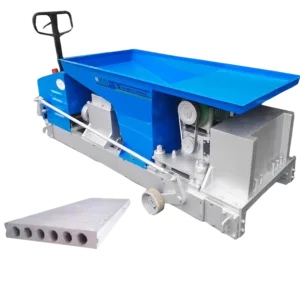
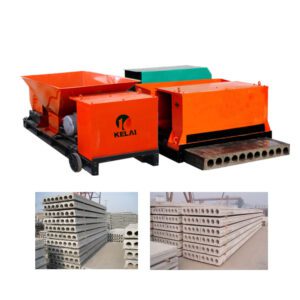
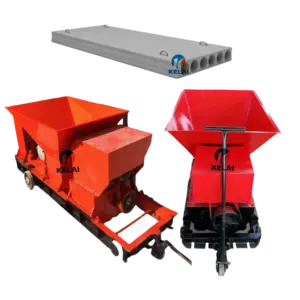
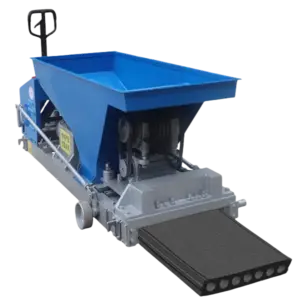
El corazón de la línea de producción. Los sinfines situados en el interior de la cavidad de moldeo reciben el hormigón de la tolva, lo compactan mediante vibración y extrusión simultáneas y producen de forma continua paneles uniformes a medida que la máquina se desplaza a lo largo de una cinta de moldeo. Los modelos se diferencian en el número de sinfines (de 3 a 12), el ancho de moldeo y la configuración hidráulica.
🔹 Bancos de fundición y moldes
Largas guías de acero fundido por las que se desplaza la extrusora. La longitud de los paneles viene determinada por la bancada; los paneles se cortan según las especificaciones tras el curado. El diseño del molde se puede personalizar para perfiles alveolares, macizos o de forma especial (T, L, H).
🔹 Sistema de curado
Los paneles se curan bien en cámaras de curado al vapor a temperatura controlada, bien mediante curado natural a temperatura ambiente con mantas protectoras. Un curado adecuado es imprescindible para alcanzar la resistencia a la compresión prevista antes de que los paneles se corten y se envíen.
🔹 Herramientas de corte y manipulación
Tras el curado, los paneles se cortan a medida con sierras de diamante y se retiran de la plataforma de colada mediante basculadores hidráulicos de paneles o grúas puente para su apilado y transporte.
🔹 Equipos auxiliares
Incluye carretillas para el transporte de hormigón, estanterías para el almacenamiento de paneles e instrumentos de control de calidad. Para operaciones de alto rendimiento, se pueden integrar sistemas de transporte automatizados con el fin de minimizar la manipulación manual entre las distintas fases de producción.
Paso 2: Evaluar los factores que impulsan la demanda específicos de la India
La India no es simplemente un gran mercado de la construcción, sino un mercado con características estructurales específicas que hacen que Equipo para la fabricación de paneles de hormigón para muros. especialmente adecuado para las condiciones locales.
1. Magnitud del déficit de vivienda
La India se enfrenta a una escasez de viviendas que se estima en más de 10 millones de unidades urbanas. La construcción tradicional de mampostería no puede cubrir esta carencia a la velocidad necesaria. Equipos para la fabricación de paneles prefabricados para paredes permite producir cientos de metros cuadrados de paneles de pared al día en una sola línea de producción, lo que proporciona la capacidad a gran escala que exigen los programas de vivienda de la India.
2. Requisitos de resiliencia climática
Los paneles prefabricados de hormigón superan a la mampostería convencional en las diversas condiciones climáticas que se dan en toda la India, desde las regiones costeras con fuertes monzones hasta el calor extremo de Rajastán y las zonas sísmicas de las estribaciones del Himalaya. El curado controlado en fábrica permite obtener paneles con una resistencia a la humedad, un rendimiento térmico y una consistencia estructural superiores, independientemente de las condiciones meteorológicas en la obra.
3. Presiones del mercado laboral
El sector de la construcción de la India se enfrenta a una escasez cada vez mayor de mano de obra cualificada en oficios clave. Una moderna Equipo para la fabricación de paneles de hormigón para muros. Esta línea funciona con un número de operarios considerablemente menor que la albañilería tradicional, lo que reduce la dependencia de la mano de obra en la fase de producción y acorta drásticamente el tiempo de instalación in situ.
4. Requisitos de construcción sostenible
Los marcos normativos de la Oficina de Eficiencia Energética de la India (BEE) y el Sistema de Calificación Ecológica para la Evaluación Integrada del Hábitat (GRIHA) están impulsando a los promotores inmobiliarios a adoptar métodos de construcción sostenibles. La producción de elementos prefabricados genera menos residuos de materiales, permite la incorporación de áridos reciclados y subproductos industriales (como las cenizas volantes) y da lugar a paneles con excelentes propiedades de aislamiento térmico, todo ello en consonancia con la agenda de sostenibilidad de la India.
Paso 3: Adapta el tipo de equipo a tus objetivos de producción
No todos Equipo para la fabricación de paneles de hormigón para muros. tiene la misma finalidad. Es fundamental elegir el tipo de máquina adecuado para tu aplicación concreta de paneles, ya que esto es clave para la eficiencia de la producción y la calidad del producto.
| Tipo de panel | Equipamiento recomendado | Solicitud principal en la India |
|---|---|---|
| Panel de pared sólido y ligero | Extrusora estándar para paneles de pared | Tabiques interiores, viviendas asequibles |
| Panel de pared con núcleo hueco | Extrusora de núcleo hueco con mandriles | Paredes exteriores, aplicaciones de aislamiento térmico |
| Panel de esquina en forma de T | Extrusora en forma de T | Uniones de esquinas sin juntas en edificios residenciales |
| Panel conector en forma de L | Extrusora en forma de L | Uniones en las esquinas de las paredes, marcos estructurales |
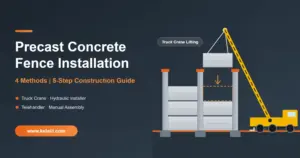
| Valla prefabricada / Panel de delimitación | Máquina para paneles de valla + máquina para columnas en H | Áreas industriales, terrenos agrícolas, urbanizaciones |
Preguntas clave que hay que responder antes de elegir el equipo:
- ¿Cuál es tu objetivo de producción diaria en metros cuadrados?
- ¿Vais a fabricar un solo tipo de panel o varios perfiles?
- ¿Te dedicas a un único proyecto a largo plazo o trabajas con varios clientes?
- ¿Cuál es la superficie útil de su planta de producción y la longitud de la mesa de fundición?
Paso 4: Evaluar las especificaciones técnicas fundamentales
Al comparar equipos para la fabricación de paneles prefabricados para paredes Si recibes ofertas de diferentes proveedores, céntrate en estos parámetros técnicos en lugar de en el precio total:
🔹 Velocidad de producción
Los modelos de extrusoras de alta frecuencia alcanzan velocidades de conformado continuo de entre 2 y 3,5 metros por minuto, lo que se traduce en una producción diaria de hasta 500 metros cuadrados por línea de producción. Comprueba estas cifras en condiciones reales de funcionamiento, no en valores máximos teóricos.
🔹 Rango de dimensiones de los paneles
Comprueba los anchos de panel admitidos por la máquina (normalmente entre 600 mm y 1.200 mm), los espesores (entre 70 mm y 200 mm) y la longitud máxima de los paneles (determinada por la plataforma de fundición). Asegúrate de que se puedan realizar adaptaciones a medida si las especificaciones de tu proyecto no se ajustan a los rangos estándar.
🔹 Configuración del sinfín de tornillo
El número de tornillos de alimentación (de 3 a 12, según el modelo) determina la anchura de conformado y la calidad de la compactación. Un mayor número de tornillos permite obtener paneles más anchos y una distribución más uniforme de la densidad a lo largo de la sección transversal.
🔹 Sistema de vibración
Los motores de vibración de alta frecuencia son fundamentales para la densidad del panel y la calidad de la superficie. Evalúa la frecuencia de vibración, la potencia nominal del motor y si el sistema de vibración se puede ajustar para diferentes mezclas de hormigón.
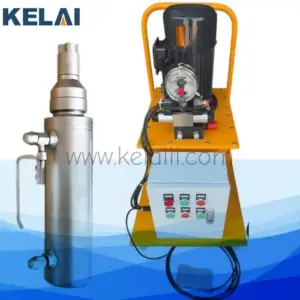
🔹 Sistema de elevación hidráulico
Un sistema de elevación y reposicionamiento semiautomático o totalmente hidráulico para la extrusora es esencial para una producción continua. El reposicionamiento manual provoca tiempos de inactividad innecesarios y aumenta la fatiga del operario.
🔹 Calidad del acabado superficial
La rasqueta de acabado situada en la parte trasera de la máquina determina la suavidad de la superficie visible del panel. Evalúa los paneles de muestra que te proporcione el proveedor antes de comprometerte a la compra.
Paso 5: Comparación entre los sistemas semiautomáticos y los totalmente automáticos
El nivel adecuado de automatización depende de tu mercado objetivo, las condiciones de la infraestructura y la escala de producción.
| Factor | Equipos semiautomáticos | Equipos totalmente automáticos |
|---|---|---|
| Inversión inicial | Inferior | Más alto |
| Producción diaria | 200–300 m² | Hasta 500 m² |
| Mano de obra necesaria | 4-6 operarios | 2-3 operarios |
| Dependencia de la electricidad | Inferior | Más alto |
| Complejidad del mantenimiento | Más sencillo | Requiere técnicos cualificados |
| Ideal para | Pequeños y medianos productores; mercados con limitaciones de suministro eléctrico | Productores a gran escala; instalaciones de fabricación urbanas |
| Cronograma del retorno de la inversión (ROI) | Más breve | Un rendimiento absoluto más prolongado, pero más elevado |
En lo que respecta específicamente al mercado indio, las máquinas semiautomáticas Equipo para la fabricación de paneles de hormigón para muros. Se utiliza ampliamente en ciudades de nivel 2 y 3, donde el suministro eléctrico puede ser intermitente, mientras que las líneas totalmente automatizadas son las preferidas para las grandes fábricas urbanas de prefabricados que abastecen a proyectos de construcción de viviendas en áreas metropolitanas.
Paso 6: Calcula el retorno de la inversión (ROI) a largo plazo, no solo el precio de compra
Un error habitual entre quienes compran por primera vez equipos para la fabricación de paneles prefabricados para paredes consiste en optimizar el coste de capital más bajo, en lugar de buscar la mejor rentabilidad a lo largo de la vida útil de la máquina. Una máquina que funcione entre 8 y 10 años con unos costes de reparación mínimos ofrecerá casi siempre mejores resultados económicos que una alternativa más barata que requiera la sustitución frecuente de piezas y paradas no programadas.
Factores clave del ROI que hay que evaluar:
| Factor de coste | Equipos de bajo coste | Equipos de alta calidad |
|---|---|---|
| Precio de compra inicial | Bajo | Moderado |
| Consumo energético | Más alto por m² | Optimizado |
| Frecuencia de mantenimiento | Alta | Bajo |
| Disponibilidad de piezas de recambio | Imprevisible | Garantizado (stock exclusivo) |
| Riesgo de interrupción del servicio | Alta | Bajo |
| Vida útil prevista | 3 a 5 años | 8-10 años |
| Rentabilidad neta de la inversión a 5 años | Inferior | Notablemente más alto |
Los resultados documentados de empresas de prefabricados consolidadas en la India demuestran que el cambio a productos de calidad superior Equipo para la fabricación de paneles de hormigón para muros. Kelai Machinery ha logrado acelerar la finalización de los proyectos en hasta 40% y reducir los costes de mano de obra en 25% en comparación con los métodos tradicionales de albañilería.
Retos habituales en la práctica en la fabricación de paneles de pared
Incluso con un equipamiento de calidad, las operaciones de producción de prefabricados se enfrentan a retos operativos. Conocerlos de antemano te permite incorporar medidas de mitigación en tu configuración desde el primer día.
Reto 1: Dimensiones irregulares de los paneles Se debe a un contenido de humedad incorrecto en la mezcla de hormigón o al desgaste de los componentes del rascador. Solución: Aplicar controles estrictos en el diseño de la mezcla y establecer un programa de inspecciones periódicas del rascador.
Problema 2: Agrietamiento superficial tras el curado Suele deberse a un control inadecuado de la temperatura de curado o a un desplazamiento prematuro de los paneles. Solución: Utilizar mantas de curado o cámaras de curado al vapor con perfiles de temperatura controlados; establecer protocolos de tiempo mínimo de curado antes del desmoldeado.
Reto 3: Atascamiento del extrusor Se produce cuando la mezcla de hormigón está demasiado húmeda o cuando el tamaño de las partículas de árido supera las especificaciones. Solución: Utilizar hormigón «seco como la tierra», sin asentamiento, con una granulometría controlada de los áridos; formar a los operarios para que realicen controles de calidad de la mezcla antes de cada ciclo de producción.
Reto 4: Plazos de entrega prolongados de las piezas de recambio Un riesgo operativo importante para los equipos importados. Solución: elegir un proveedor que disponga de un stock específico de piezas de recambio y pueda enviar los componentes esenciales en un plazo de 24 a 48 horas.
Reto n.º 5: La falta de cualificación de los operadores Los equipos de prefabricación requieren operarios cualificados para obtener resultados uniformes. Solución: Insiste en que tu proveedor imparta una formación completa sobre la puesta en marcha in situ y conserva la documentación de la formación para el desarrollo continuo del personal.
Cómo garantizar el futuro de tu inversión
En Equipo para la fabricación de paneles de hormigón para muros. El mercado está evolucionando rápidamente. A medida que el sector de la construcción de la India madura y aumenta el volumen de proyectos, las exigencias a las que se ven sometidos los equipos de producción crecerán en consecuencia. A la hora de seleccionar equipos hoy en día, hay que tener en cuenta estos criterios orientados al futuro:
- Ampliabilidad modular — ¿Se puede añadir una segunda extrusora o más bandejas de colada a la misma instalación sin necesidad de realizar cambios estructurales importantes?
- Capacidad para fabricar piezas con formas especiales — A medida que amplíe su gama de productos, ¿podrá el mismo proveedor suministrarle máquinas para perfiles en T, L, H y U que sean compatibles con su línea de producción actual?
- Compatibilidad con materiales ecológicos — ¿Está diseñado el equipo para trabajar con áridos de hormigón reciclados y subproductos industriales, como las cenizas volantes, cuyo uso es cada vez más obligatorio en los contratos de construcción sostenible?
- Integración digital — ¿Es posible conectar la línea de producción a sistemas ERP o de gestión de la producción para realizar un seguimiento en tiempo real de la producción y controlar la calidad?
- Duración de los proveedores — ¿Cuenta el proveedor con la capacidad de fabricación y la presencia internacional necesarias para dar soporte a su equipo durante toda su vida útil, que oscila entre 8 y 10 años?
Por qué Henan Kelai Industrial Co., Ltd. es un proveedor global de confianza
Para promotores, contratistas y fabricantes de elementos prefabricados de la India que buscan proveedores equipos para la fabricación de paneles prefabricados para paredes, Henan Kelai Industrial Co., Ltd. ha consolidado una sólida trayectoria como socio internacional de confianza.
Fundada en 2008 y con sede en Zhengzhou, en la provincia de Henan (China), Kelai Machinery ha suministrado Equipo para la fabricación de paneles de hormigón para muros. a clientes de más de 30 países, con una base de usuarios en constante crecimiento en el sur de Asia, el sudeste asiático, África y Oriente Medio.
Lo que distingue a Kelai:
- Gama completa de productos — Extrusoras estándar para paneles de pared, máquinas especiales con perfiles en forma de T, L, H y U, líneas de producción de paneles para vallas, máquinas para losas alveolares y configuraciones completas de líneas de producción
- Personalización total — La anchura del panel, el grosor, el número de tornillos, la configuración hidráulica y la longitud de la plataforma de fundición pueden adaptarse a las especificaciones de su proyecto.
- Opciones de automatización — Se ofrecen tanto sistemas semiautomáticos (adecuados para mercados con limitaciones de potencia) como sistemas automatizados totalmente hidráulicos
- Stock específico de piezas de recambio — Kelai dispone de existencias de todos los componentes esenciales para garantizar un envío rápido, lo que reduce al mínimo los tiempos de inactividad en la producción.
- Asistencia técnica 24 horas al día, 7 días a la semana — Se ofrece asistencia para la resolución de problemas a distancia y servicio técnico in situ durante toda la vida útil de la máquina.
- Formación y puesta en marcha — Cada pedido de equipo incluye una formación exhaustiva para los operarios y asistencia para la puesta en marcha de la línea de producción.
Para los compradores indios, los precios competitivos de Kelai, su capacidad para realizar envíos internacionales y su equipo de atención posventa, siempre dispuesto a atender las necesidades de los clientes, la convierten en una alternativa práctica y rentable frente a los proveedores nacionales para proyectos de cualquier envergadura: desde pequeñas plantas de prefabricados con una producción de 200 m² al día hasta grandes instalaciones de producción con una producción diaria de más de 500 m².
Reflexiones finales
Equipos para la fabricación de paneles de hormigón para muros Ya no es una tecnología de nicho reservada a contratistas especializados, sino que se está convirtiendo en una herramienta de producción fundamental para cualquier empresa de construcción que opere a gran escala en la economía india, que se está urbanizando rápidamente.
La decisión de invertir en un equipos para la fabricación de paneles prefabricados para paredes La línea de producción es un elemento estratégico y merece un proceso de evaluación estructurado: define tus objetivos de producción, adapta el tipo de equipo a la aplicación de tus paneles, compara los niveles de automatización con la realidad de tu infraestructura y calcula el retorno de la inversión (ROI) a lo largo de toda la vida útil de la máquina, no solo en función del precio de compra.
Al asociarse con un proveedor internacional de probada solvencia como Henan Kelai Industrial Co., Ltd., los promotores y fabricantes de prefabricados indios obtienen acceso a equipos personalizables y de alto rendimiento, respaldados por el soporte técnico y la disponibilidad de piezas de recambio que requieren las operaciones de producción a largo plazo.
¿Estás listo para descubrir cuál es el equipo de fabricación de paneles de hormigón más adecuado para tu proyecto?
Póngase en contacto hoy mismo con Henan Kelai Industrial Co., Ltd. para obtener un asesoramiento gratuito y una propuesta personalizada de línea de producción.
🌐 Página web: www.kelaiii.com 📱 WhatsApp: +86 17788171295 📧 Correo electrónico: [email protected]
Preguntas frecuentes
P1: ¿Qué es el equipo de fabricación de paneles de hormigón para paredes? Por «equipamiento para la fabricación de paneles de hormigón para paredes» se entiende el conjunto completo de maquinaria industrial que se utiliza para producir paneles prefabricados de hormigón para paredes en un entorno fabril. Una línea completa incluye un sistema de mezcla de hormigón, una extrusora de paneles, mesas de moldeo, un sistema de curado y herramientas de corte y manipulación. Los paneles se fabrican fuera de la obra según especificaciones precisas y, a continuación, se transportan a las obras para su rápida instalación.
Pregunta 2: ¿Por qué está ganando popularidad en la India el equipo de fabricación de paneles prefabricados para paredes? El déficit de viviendas en la India, la escasez de mano de obra, la diversidad climática y las normas de construcción sostenible están impulsando la adopción de equipos de fabricación de paneles de pared prefabricados. Los sistemas prefabricados pueden acortar los plazos de construcción entre un 30 % y un 50%, reducir significativamente las necesidades de mano de obra en obra, producir paneles resistentes a la intemperie adecuados para todas las condiciones climáticas de la India y cumplir con las certificaciones de sostenibilidad exigidas por los principales promotores inmobiliarios y los programas de vivienda del Gobierno.
Pregunta 3: ¿Cómo puedo decidirme entre un equipo de fabricación de paneles de hormigón para paredes semiautomático y uno totalmente automático? Los sistemas semiautomáticos son más adecuados para productores de pequeña y mediana escala, mercados con un suministro eléctrico irregular y operaciones en las que es prioritario reducir el coste inicial de capital. Los sistemas totalmente automáticos ofrecen una mayor producción diaria, un menor coste de mano de obra por unidad y una mayor uniformidad, lo que los convierte en la opción más adecuada para las grandes fábricas urbanas de prefabricados que abastecen a importantes proyectos de vivienda o de infraestructuras. Su decisión debe basarse en su objetivo de producción diaria, las condiciones de la infraestructura local y las previsiones de crecimiento de la producción a cinco años.
Pregunta 4: ¿Cuánto tiempo suele durar el equipo de fabricación de paneles de hormigón para paredes? Los equipos de fabricación de paneles prefabricados para muros de alta calidad, de fabricantes de renombre como Kelai Machinery, tienen una vida útil operativa de entre 8 y 10 años si se les aplica un mantenimiento preventivo adecuado. Esto incluye la limpieza diaria de la extrusora, la tolva y la cama de moldeo; la inspección semanal de los componentes sujetos a desgaste, como los rascadores y las espirales del sinfín; y la lubricación y las revisiones mensuales de la caja de cambios. Los equipos de menor calidad pueden requerir una revisión a fondo o su sustitución en un plazo de entre 3 y 5 años.
Pregunta 5: ¿Qué tipo de asistencia ofrece Henan Kelai Industrial Co., Ltd. tras la compra? Kelai ofrece un servicio integral de asistencia posventa que incluye la puesta en marcha in situ y la formación de los operadores, asistencia técnica remota las 24 horas del día, los 7 días de la semana, un stock específico de piezas de recambio con capacidad de envío rápido y acceso al equipo técnico global de Kelai para la resolución de problemas y el asesoramiento sobre la optimización de la producción. Además, todos los equipos pueden personalizarse tras la venta si cambian los requisitos de producción; por ejemplo, añadiendo una extrusora de formas especiales a una línea de producción estándar ya existente de paneles de pared.
Palabras clave: maquinaria para la fabricación de paneles de hormigón para paredes, maquinaria para la fabricación de paneles prefabricados para paredes, máquina para paneles prefabricados para paredes en la India, extrusora de paneles de hormigón ligero para paredes, línea de producción de paneles prefabricados de hormigón
Máquina extrusora de paneles prefabricados de hormigón para la venta | Fabricante Kelai