کاوش رشد و آینده بازار دال توخالی در ساختوساز مدرن
صنعت ساختوساز پیشساخته در سالهای اخیر تحول سریعی را تجربه کرده است و یکی از عناصر محوری که این پیشرفت را پیش میبرد، دالهای هسته توخالی. امروز مفتخرم که بینشهایی را در مورد وضعیت کنونی و آیندهٔ دال بتنی از پیشساخته بازار، بهویژه نقش فناوری دال توخور.
دال توپر چیست؟
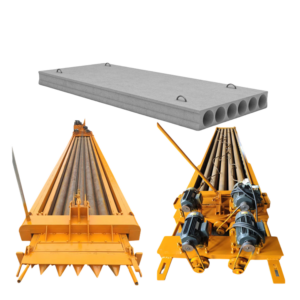
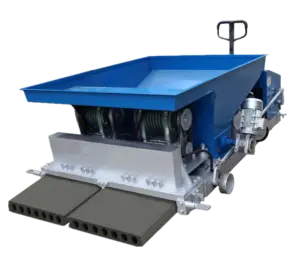
یک دال توپرِ توخالی یک عنصر بتنی پیشساخته و پیشتنیده است که معمولاً برای دالهای کف و سقف استفاده میشود. این دالها در شرایط کنترلشده کارخانهای با استفاده از تجهیزات تخصصی تولید میشوند. ماشینآلات دال بتنی پیشساخته و به خاطر حفرههای طولی داخلیشان (هسته توخالی)، که وزن و مصرف مواد را بدون خدشهدار کردن عملکرد سازهای کاهش میدهند، شناخته شدهاند.
مزایای دالهای توخالی در ساختوساز
- کارایی زمان و نیروی کاراز آنجا که دالهای توخالو از پیش ساخته میشوند، زمان ساخت در محل و هزینههای نیروی کار را به طور قابل توجهی کاهش میدهند.
- استحکام ساختاریبه لطف تقویت پیشتنیده، دالهای توخورده ظرفیت باربری بسیار خوبی دارند.
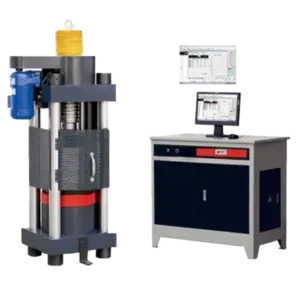
- مقاومت در برابر آتش و دواماستفاده از بتن با عملکرد بالا و بهینهسازی عملآوری، ایمنی بلندمدت را افزایش میدهد.
- پایداریاستفاده کمتر از بتن و کاهش ضایعات، آن را به یک راهحل دوستدار محیطزیست تبدیل میکند.
- انعطافپذیری طراحیتولید دال استانداردشده امکان ادغام در طراحیهای معماری متنوع را فراهم میکند.
روندهای بازار و پیشرفتهای فناوری
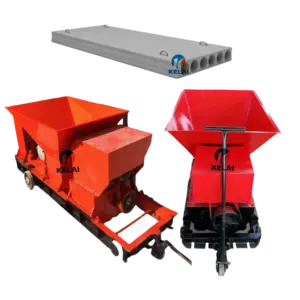
با افزایش تقاضا برای سیستمهای ساختمانی مدولار و صنعتی، بازار جهانی دال توخالی همچنان در حال گسترش است. پیشرفتهای نوآورانه در ماشینآلات دال بتنی پیشساخته و ماشینهای قالبگیری کف بتنی فعال کردهاند:
- دقت بالاتر با اتوماسیون
- کاهش مصرف انرژی در طول سختشدن
- یکپارچهسازی با سیستمهای مدلسازی اطلاعات ساختمان (BIM)
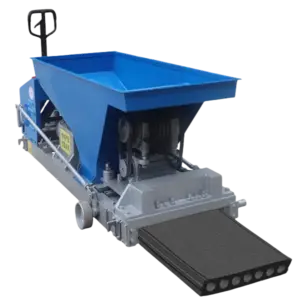
خطوط تولید پیشرفته کلای، به نمایش گذاشته شده در www.cnkelaiii.com, آنها از پیشگامان خودکارسازی تولید دال توخالی هستند. دستگاههای آنها دارای کنترلهای هوشمند، فناوری اکستروژن پایدار و قابلیت تطبیق با مشخصات متعدد میباشند.
چالشها و ملاحظات
در حالی که مزایای آن قابل توجه است، صنعت دال توخالی نیز با چالشهای خاصی روبرو است:
- حمل و نقل و نگهداریتختهها سنگین و حجیم هستند و به لجستیک تخصصی نیاز دارند.
- محدودیتهای سفارشیسازیتولید استاندارد گاهی ممکن است با نیازهای معماری منحصربهفرد در تضاد باشد.
- سازگاری بینموادادغام با سازههای فولادی، عایقکاری و سیستمهای تعبیهشده نیازمند توجه است.
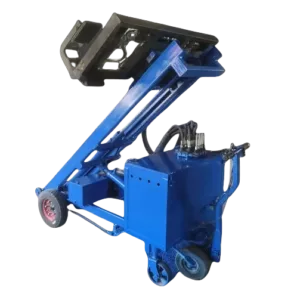
برای پاسخ به این موارد، دستگاههای مدرن اسلب فناوریهایی مانند موارد زیر را در خود جای میدهند:
- سیستمهای دوزهدهی خودکار آب برای تنظیم رطوبت محیطی
- تانکهای تکمیلی که یکنواختی بتن را تضمین کرده و عیوب مانند ترکهای لبهای و فرورفتگیها را به حداقل میرسانند.
- طراحی مدولار برای پاسخگویی به مقیاسهای مختلف پروژه
چشمانداز آینده
بازار دال توخالی آماده رشد قوی است، زیرا با روند جهانی حرکت به سمت پیشساخت و ساختمان سبز همسو است. تلاشهای بازسازی پس از جنگ و پروژههای زیرساختی بزرگمقیاس بهویژه از سرعت، یکنواختی و کاهش نیاز به نیروی انسانی که فناوری دال توخالی ارائه میدهد، بهرهمند میشوند.
با افزایش پذیرش در آسیا، خاورمیانه و اروپای شرقی، ماشینهای دال توخورده به دارایی حیاتی برای دولتها و توسعهدهندگانی تبدیل خواهند شد که به دنبال روشهای ساختوساز مقرونبهصرفه و بادوام هستند.
نتیجهگیری
در نتیجه،, دالهای هسته توخالی آنها بیش از یک محصول ملموس را نمایندگی میکنند؛ آنها سنگبنای روشهای ساختوساز پایدار، کارآمد و مدرن هستند. با ادامهٔ تکامل فناوریهای پیشساخته، شرکتهایی مانند کِلا در خط مقدم ارائهٔ راهکارهای قابلاعتماد و نوآورانه قرار دارند. دستگاههای دال کف برای بازار جهانی ساختوساز.
برای کسب اطلاعات بیشتر یا استعلام قیمت و مشخصات دستگاه، به وبسایت مراجعه کنید. www.cnkelaiii.com.