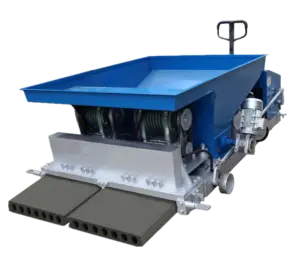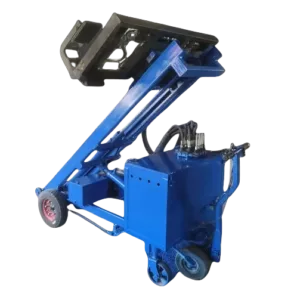
دستگاه کفشوی پدالدار و ماشین دال فشاریانقلاب در تولید دال توخال خالی پیشتنیده
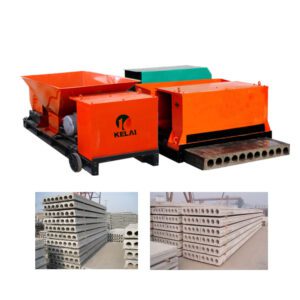
در عصر ساختوساز پیشساخته، ماشین کفشوی پدالی—که همچنین به نام ماشین دال نوع فشار—به سنگ بنای تولید کارآمد و هوشمند دال کف تبدیل شده است. این تجهیزات بسیار تخصصی برای تولید مداوم و بدون قارچ از دالهای توپر پیشتنیده, ، که به طور گسترده در پروژههای ساختمانی مسکونی، تجاری و صنعتی استفاده میشوند.
با ترکیب دقت مکانیکی، بهینهسازی مواد و فناوری پیشتنیدگی، دستگاههای نوع فشار بهطور قابلتوجهی بهرهوری را افزایش داده و در عین حال وزن سازهای را کاهش میدهند، که آنها را برای سیستمهای کف با دهانههای بزرگ مدرن ایدهآل میسازد.
دستگاه کفشوی پدالدار چیست؟
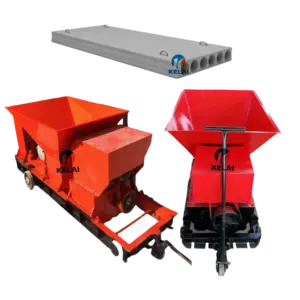
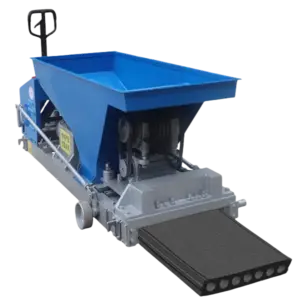
A ماشین کفشوی پدالی نوعی از تجهیزات بر پایه اکستروژن است که برای شکلدهی به دالهای کف بتنی طویل و پیشتنیده—بهویژه دالهای هسته توخالی—بدون اتکا به قالبهای فردی. این دستگاه به جای ریختهگری سنتی، از یک پیچ پروانه یا یک مکانیزم رانش مشابه برای بیرون راندن بتن در امتداد یک مسیر پیوسته و شکل دادن آن به صفحات با مقاومت بالا که دارای هستههای توخالی داخلی برای کاهش وزن و صرفهجویی در هزینه هستند.
آن ماشین دال نوع فشار نقش حیاتی ایفا میکند در کارخانههای قطعات پیشساخته, ، جایی که ثبات، سرعت و قدرت عوامل حیاتی تولید هستند.
اصول کار دستگاه دال بتنی نوع فشار
اصل کاری اصلی ماشین دال نوع فشار این روش مبتنی بر بیرونفشردن بتن تحت فشار است که با لرزش و کوبیدن برای دستیابی به چگالی سازهای همراه میشود. در اینجا نحوه عملکرد آن گامبهگام آمده است:
1. آرایش میلههای فولادی پیشتنیده
برای تولید دال پیشتنیده, رشتههای فولادی با کشش بالا از پیش روی بستر بتنآمده چیده میشوند. این رشتهها تحت کشش قرار میگیرند تا نیروهای فشاری داخلی ایجاد کنند که ظرفیت باربری دال را افزایش داده و ترکخوردگی را کاهش میدهد.
۲. تغذیهٔ عملی
یک مخلوط بتن با نسبتهای دقیق—معمولاً یک مخلوط خشک با کارایی بالا—در آن ریخته میشود بخش تغذیه از ماشین. مخلوط شامل سیمان، شن، سنگدانهها، آب و گاهی افزودنیهای شیمیایی است.
۳. اکستروژن و شکلدهی
به عنوان ماشین کفشوی پدالی در امتداد بستر ریختهگری حرکت میکند، داخلی آن پیچ پروانه بتن را به جلو میراند، در حالی که واحدهای لرزش داخلی ماده را متراکم میکنند. همزمان، لولهها یا قالبهای هستهای درون دستگاه ایجاد میکنند حفرههای توخالی طولی درون دال.
۴. پرداخت سطح و سختکاری مقدماتی
همزمان با اکستروژن لوحه، ابزارهای عملیات سطحی سطح رویی را صیقلی میکنند. لوحه رها میشود تا پیشسختکاری در شرایط محیطی یا کنترلشده قبل از برش و سخت شدن.
۵. برش و عملآوری
به محض اینکه بتن به مقاومت کافی برسد (معمولاً ظرف ۱۲ تا ۲۴ ساعت)، دالها برش به طول با استفاده از برشزنهای خودکار. قطعات نهایی سپس به محفظههای پخت با بخار یا نواحی خشککردن طبیعی برای افزایش استحکام.
مزایای کلیدی دستگاههای کفشوی و دال فشاری
✅ بهرهوری تولید بالا
فرآیند شکلدهی نوع فشار امکان میدهد تولید مداوم دال بتنی, ، کاهش زمان توقف و افزایش بازده روزانه در مقایسه با ریختهگری قالب سنتی.
✅ سیستم بدون کپک
حذف نیاز به قالبهای مجزا، هزینههای سرمایهگذاری در تجهیزات و نگهداری را کاهش میدهد، عملیات را سادهتر میکند و از چسبیدن یا هدررفت مواد جلوگیری میکند.
ظرفیت پیشتنیدگی
فناوری پیشتنیدگی تعبیهشده، دالها را برای دهانههای بلند و تقاضاهای بار بالا, ، در حالی که ضخامت دال و مصرف مصالح را کاهش میدهد.
✅ طراحی سبک
آن طراحی هسته توخالی وزن خود دالها را بدون خدشهدار کردن یکپارچگی سازهای کاهش میدهد—ایدهآل برای ساختمانهای بلندمرتبه، سازههای پارکینگ و عرشههای پل.
✅ کیفیت یکنواخت و اتوماسیون
تغذیه خودکار، لرزش، اکستروژن و برش تضمین میکنند اندازه یکنواخت دال, پایان صیقلی, ، و حداقل خطای انسانی, که منجر به یکنواختی بهتر در ساخت میشود.
✅ صرفهجویی در مواد و سازگاری با محیط زیست
با استفاده از مقاطع توخالی و طرحهای مخلوط بهینهشده، دستگاه کمک میکند تا ۳٫۰۱ تن متریک مصالح بتنی صرفهجویی کنید, ، که آن را به گزینهای منطقی از نظر زیستمحیطی و اقتصادی تبدیل میکند.
کاربردهای دستگاههای بتنریزی فشاری
تایلهای تولید شده توسط دستگاههای کفشوی پدالی بهطور گسترده در: استفاده میشوند
- 🏢 انبارهای صنعتی – برای سقفها و طبقات با دهانه بلند که نیاز به تحمل بار سنگین دارند.
- 🏘️ پروژههای مسکونی – به عنوان کفپوش در مجتمعهای آپارتمانی، ویلاها یا خانههای مدولار.
- 🏬 ساختمانهای تجاری – برای دفاتر بلندمرتبه، مراکز خرید و مراکز لجستیک.
- ساختمانی پروژههای زیرساختی – مانند پلها، تونلها و پارکینگهای طبقاتی.
این دستگاهها برای کارخانههای پیشساخت, ، تأمینکنندگان بتن پیشساخته، یا توسعهدهندگانی که به دنبال ساخت ماژولار و سریع راهحلها.
چرا در یک دستگاه بتنریزی پمپی سرمایهگذاری کنیم؟
برای شرکتهای ساختوساز یا تولیدکنندگانی که به دنبال تولید دال کف را افزایش دهید, ، آن ماشین دال نوع فشار مزایای بینظیر را ارائه میدهد:
- 💡 سرعتزمان تولید هر لوحه را بیش از ۵۰۱TP3T کاهش دهید.
- 🔧 سادگیتعداد کمتر اجزا به معنای آموزش آسانتر و نگهداری کمتر است.
- 📈 سودآوریمقادیر تولید بالاتر منجر به بازگشت سرمایه بهتر و تحویل سریعتر پروژه میشود.
- 🌍 پایداریکاهش مصرف مواد اولیه از شیوههای ساختوساز سبز حمایت میکند.
نتیجهگیری
آن ماشین کفشوی پدالی و ماشین دال نوع فشار در حال متحول کردن نحوه تولید کفپوشهای مدرن هستند. با تحویل تولید دال پیوسته، بدون قفستوری و پیشتنیده, ، آنها پاسخگوی تقاضاهای روزافزون صنعت جهانی ساختوساز پیشساخته هستند.
اگر قصد دارید خط تولید قطعات بتنی پیشساخته خود را بسازید یا ارتقا دهید، این تجهیزات سرمایهگذاریای است که ارزش بررسی دارد.
📞 تماس با ما برای کسب اطلاعات بیشتر درباره مدلهای دستگاه، طراحی خط تولید و اینکه چگونه میتوانیم به شما کمک کنیم تا تولید صفحات کارآمد و باکیفیت را همین امروز آغاز کنید.
🌐 بازدید: www.kelaiii.com واتساپ: +۸۶ ۱۷۷۸۸۱۷۱۲۹۵