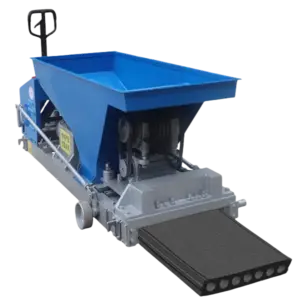
ماشین تنشدهی رشتهای فولادی: راهنمای کامل ماشین جک هیدرولیک تنشدهی برای پیشتنیدگی
مقدمه: چرا فناوری پیشتنیدگی تعریفکنندهٔ ساختوساز مدرن است
زیرساخت مدرن — از برجهای آپارتمانی چندطبقه و پلهای با دهانه بلند تا دالهای توخال پرهکاست و کف انبارهای صنعتی — بر یک اصل مهندسی حیاتی متکی است: بتن پیشتنیده. با وارد کردن تنش فشاری داخلی کنترلشده به عناصر بتنی پیش از بهرهبرداری، سازههای بتنی پیشتنیده میتوانند بارهای سنگینتری را تحمل کنند، دهانههای بلندتری را پوشش دهند، در برابر ترکخوردگی مقاومت کنند و بهطور قابلتوجهی عمر طولانیتری نسبت به بتن مسلح معمولی داشته باشند.
در قلب هر عملیات پیشتنیدگی، یک قطعه تجهیزات تخصصی قرار دارد: دستگاه تنشدهی رشتهای فولادی, ، و به طور مشخصتر ماشین تنشدهی جک هیدرولیک برای پیشتنیدگی. این دستگاهها نیروی کششی دقیق و قابل اندازهگیری را به رشتهها یا سیمهای فولادی با مقاومت بالا که در عناصر سازهای بتنی تعبیه شدهاند یا از میان آنها عبور میکنند، وارد میکنند. بدون آنها، تولید تیرهای پیشتنیده، دالهای با هسته توخالی، پانلهای دیواری پیشساخته، تیرهای بزرگ پل و ستونها در مقیاسی که ساختوساز مدرن ایجاب میکند، بهسادگی امکانپذیر نخواهد بود.
این راهنما توضیح میدهد که دستگاه تنشدهی میلههای فولادی چیست، چگونه کار میکند، اجزای کلیدی درگیر، تفاوت بین کاربردهای پیشتنشدهی و پستنشدهی، و چرا انتخاب دستگاه مناسب و تولیدکننده مناسب برای کیفیت و بهرهوری تولید بتن پیشساخته اهمیت فراوانی دارد. ما همچنین معرفی میکنیم شرکت صنعتی هنان کلای با مسئولیت محدود., یک تولیدکننده حرفهای پیشرو در زمینه ماشینآلات بتن پیشساخته و تجهیزات پیشتنیدگی که مورد اعتماد تأسیسات در سراسر جهان است.
دستگاه تنشدهی رشته فولادی چیست؟
A دستگاه تنشدهی رشتهای فولادی تجهیزات صنعتی تخصصی است که برای اعمال نیروی کششی کنترلشده و با مقدار بالا به رشتهها یا سیمهای فولادی مورد استفاده در تولید بتن پیشتنیده طراحی شده است. این دستگاه یک یا هر دو انتهای یک رشته فولادی با مقاومت کششی بالا را در بر میگیرد و آن را تا سطح تنش دقیق و از پیش محاسبه شده — که معمولاً بر حسب کیلو نیوتن (kN) یا تن-نیرو اندازهگیری میشود — قبل یا بعد از بتنریزی اطراف آن، کشش میدهد.
هدف از تنشدهی فولاد، ایجاد حالت فشردگی داخلی در عنصر بتنی است، به محض اینکه تنش سیم فولادی به بتن سختشده منتقل شود. از آنجا که بتن ذاتاً در حالت فشردگی قوی اما در حالت کشش ضعیف است، این فشردگی از پیش اعمالشده با تنشهای کششی که هنگام بارگذاری سازه در حین بهرهبرداری ایجاد میشوند، مقابله میکند. نتیجه، المانی از بتن است که در مقایسه با بتن آرمهبندی معمولی، ظرفیت باربری، مقاومت در برابر ترک و دوام بلندمدت آن بهطور چشمگیری بهبود یافته است.
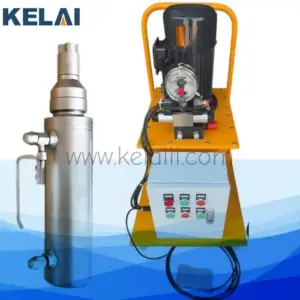
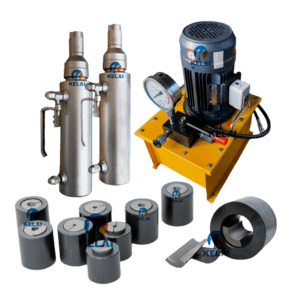
A ماشین تنشدهی جک هیدرولیک برای پیشتنیدگی امروزه رایجترین نوع دستگاه تنشدهی میل فولادی در صنعت پیشساخته است. این دستگاه از یک سیستم هیدرولیک پرفشار — شامل ایستگاه پمپ برقی، سیلندرهای هیدرولیک، شلنگهای پرفشار و گیجهای دقیق — برای تولید و اعمال نیروی کششی مورد نیاز با دقت و تکرارپذیری بالا استفاده میکند.
دستگاه تنشدهی هیدرولیک جک برای پیشتنیدگی چگونه کار میکند؟
عملیات کار با دستگاه تنشدهی جک هیدرولیک برای پیشتنیدگی، پیروی از یک توالی واضح و کاملاً تعریفشده است:
مرحله ۱ — قراردهی و مهار رشتهها تارهای فولادی با مقاومت بالا (معمولاً متشکل از هفت سیم مجزای سردکشیده که بهصورت مارپیچ در هم پیچیده شدهاند) از بستر ریختهگری یا قالب بتن عبور داده شده و یک سر آنها با استفاده از حلقههای لنگر و صفحات منشوری (مجموعه بستها) محکم میشود. این سر ثابت نقطه واکنشی را فراهم میکند که تنش بر اساس آن اعمال میشود.
مرحله ۲ — اتصال و درگیری جک جک هیدرولیک از طریق شلنگهای هیدرولیک با فشار بالا به ایستگاه پمپ الکتریکی متصل است. جک در انتهای آزاد رشته فولادی قرار گرفته و از طریق یک مکانیزم درگیرکننده داخلی — معمولاً گیرههای منشوری شکافدار فنری — رشته را درگیر میکند که با افزایش بار کششی، نیروی گیره آنها تشدید میگردد.
مرحله ۳ — اعمال فشار هیدرولیک و تنشدهی ایستگاه پمپ الکتریکی، روغن هیدرولیک با فشار بالا را به سیلندر جک میفرستد. این فشار پیستون را به جلو میراند که رشته فولادی را میکشد و بهتدریج آن را تا سطح تنش طراحی مورد نیاز کشش میدهد. یک گیج فشار دقیق روی ایستگاه پمپ به اپراتور امکان میدهد نیروی کششی اعمالشده را با دقت نظارت و کنترل کند. سری سیستمهای تنشدهی هیدرولیک هنان کلای دقت نیرو را در محدوده ±۱۱ تنفورس تضمین میکند و نیازهای سختگیرانه کیفیت تولید پیشساخته مدرن را برآورده میسازد.
مرحله ۴ — قفل کردن تنش به محض رسیدن به سطح تنش هدف، سیستم چنگک لنگر، رشتهٔ تحت کشش را بهطور دائم در موقعیت قفل میکند. فشار هیدرولیک آزاد شده و جک جمع میشود. رشتهٔ فولادی همچنان تحت کشش باقی میماند و در برابر مجموعهٔ لنگر قفل شده است.
مرحله ۵ — بتنریزی یا انتقال تنش در کاربردهای پیشتنیدگی، بتن سپس دور رشتههای تحتکشش ریخته میشود. پس از آنکه بتن به مقاومت مورد نیاز خود برسد (معمولاً پس از ۱۲–۲۴ ساعت، که اغلب با بخاردهی تسریع میشود)، انتهای رشتهها بریده میشوند. سیم تلاش میکند بهصورت ارتجاعی کوتاه شود، اما پیوند آن با بتن سختشدهٔ اطراف مانع این حرکت میشود و نیروی کششی را بهعنوان پیشتنشی فشاری دائمی به بتن منتقل میکند.
در کاربردهای پستنیدگی، تنیدن پس از سخت شدن بتن انجام میشود و میلگردها از کانالهای از پیشساخته عبور کرده و سپس دوغابریزی میشوند.
اجزای کلیدی سیستم دستگاه تنشدهی جک هیدرولیک
راهاندازی کامل یک دستگاه تنشدهی دسته فولادی شامل چندین مؤلفه هماهنگ است که هر یک عملکردی حیاتی دارند:
جک هیدرولیک (سیلندر تنشدهی) هستهٔ سیستم. جک شامل پیستونی است که توسط فشار روغن هیدرولیک به حرکت درمیآید و نیروی کششی را بر روی سیم فولادی ایجاد میکند. جکها در پیکربندیهای تکاثر یا دواثر طراحی میشوند و در محدوده وسیعی از ظرفیتهای تنشدهی در دسترس هستند — از ۶۰ کیلونیوتن برای کاربردهای تنشدهی سیمهای سبک تا ۱۰٬۰۰۰ کیلونیوتن یا بیشتر برای پروژههای زیرساختی بزرگمقیاس. طراحیهای جک با سوراخ مرکزی امکان عبور رشته فولادی از مرکز بدنه جک را فراهم میکنند که این پیکربندی استاندارد برای اکثر کاربردهای تولید قطعات پیشساخته است.
ایستگاه پمپ هیدرولیک الکتریکی منبع تغذیهٔ سیستم. ایستگاه پمپ روغن هیدرولیک با فشار بالا را از طریق طراحی دو مرحلهای فشار بالا/پایین تولید و به جک منتقل میکند — فشار پایین برای پیشروی سریع پیستون و فشار بالا برای اعمال دقیق بار. سرعت حرکت پیستون قابل تنظیم است و امکان عملکرد انعطافپذیر در محیطهای تولیدی متنوع را فراهم میآورد. ایستگاههای پمپ با فشار فوقالعاده بالا برای کاربردهای پیشتنیدگی سنگین استاندارد هستند.
شیلنگهای هیدرولیک فشار بالا شیلنگهای انعطافپذیر و تقویتشدهای که ایستگاه پمپ را به جک هیدرولیک متصل میکنند و روغن را در فشارهای عملیاتی چند صد بار منتقل مینمایند. مجموعههای شیلنگ باکیفیت بالا و اتصالات مطمئن برای عملکرد ایمن و بدون نشت در حین تنشدهی ضروری هستند.
مجموعهٔ میلگردهای مهاری و چنگکی (مهاربندی با سیم فولادی) این سیستم مهاری که از یک حلقهٔ مهاری و چنگکهای فولادی سختشده (صفحههای مهاری) تشکیل شده است، دو نقش حیاتی ایفا میکند: در حین تنشدهی، نقطهٔ چنگک موقتی اما قابلاعتمادی فراهم میآورد که به جک امکان اعمال نیرو را میدهد؛ پس از اتمام تنشدهی، به یک مهار دائمی تبدیل میشود که نیروی پیشتنش را در عنصر بتن قفل میکند. مکانیزم قفلشونده چنگک و بشکه از هرگونه لغزش یا بازگشت ارتجاعی سیمکش پس از برداشتن جک جلوگیری میکند.
فشارسنج و سیستم کنترل یک گیج فشار کالیبره در ایستگاه پمپ، پایش فشار هیدرولیک را بهصورت لحظهای فراهم میکند که مستقیماً با نیروی کششی وارد بر سیمکشی مطابقت دارد. سیستمهای پیشرفته، نمایشگرهای دیجیتال و کنترل PLC را برای ثبت دادهها، پایش از راه دور و پروتکلهای خودکار تنشیابی یکپارچه میکنند — ویژگیای که در تأسیسات پیشساخت مدرن بهطور فزایندهای استاندارد شده است.
پیشتنیدگی در مقابل پستنیدگی: درک تفاوت
آن دستگاه تنشدهی رشتهای فولادی و ماشین تنشدهی جک هیدرولیک برای پیشتنیدگی در هر دو روش اصلی پیشتنیدگی استفاده میشوند، هرچند به شیوهها و در مراحل مختلف تولید.
پیشتنیدگی در پیشتنیدگی، میلههای فولادی قبل از بتنریزی تحت کشش قرار میگیرند. این میلهها بین تکیهگاههای انتهای یک بستر بتنریزی بلند کشیده شده و با استفاده از سیستم جک هیدرولیک در حالت تنش قفل میشوند. سپس بتن در قالبهای اطراف رشتههای تحتکشش ریخته میشود. پس از عملآوری، رشتهها در انتهای بستر بریده میشوند و نیروی پسزدگی ارتجاعی از طریق پیوند بین فولاد و بتن به بتن سختشده منتقل شده و بهصورت فشردگی درآمده است. پیشتنیدگی عمدتاً در تولید پیشساخته کارخانهای عناصر استانداردسازیشده مانند دالهای توخورده، تیرهای پیشتنیده، پانلهای دیواری و ستونها استفاده میشود. این روش برای تولید انبوه بسیار مناسب است زیرا میتوان چندین عنصر را در یک چرخه تولید روی یک قالب خطی بلند ریختهگری کرد.
پستنیدگی در پستنیدگی، ابتدا عنصر بتنی اجرا میشود و کانالها یا غلافهای از پیشساخته در آن تعبیه میگردند. پس از آنکه بتن به مقاومت فشاری مورد نیاز رسید، میلگردهای فولادی با مقاومت بالا از درون کانالها عبور داده شده، با استفاده از جک هیدرولیک که بر روی سطح سختشده بتن قرار دارد تحت کشش قرار میگیرند و سپس با سیستمهای صفحه کلنگی مهار میشوند. سپس کانالها دوغابریزی میشوند (پستتنشینگ چسبیده) یا به صورت چربکاریشده و روکشدار باقی میمانند (پستتنشینگ غیرچسبیده). پستتنشدهی به طور گسترده برای سازههای بتنی درجا و بزرگ مانند پلها، دالهای مرتفع، هسته ساختمانهای بلند، سدها و سازههای تکمیلی (سگمنتال) استفاده میشود، جایی که حمل عناصر پیشساخته غیرعملی است یا جایی که برای عملکرد بهینه سازه، پروفیلهای کمانشکل تاندون مورد نیاز است.
هر دو روش کاملاً به دقت و قابلیت اطمینان دستگاه تنشدهی رشتههای فولادی متکی هستند تا به سطوح تنش طراحیشده دقیقاً مطابق با مشخصات مهندسان سازه دست یابند. تنشدهی کمتر از حد، سازهای ضعیفتر از طراحیشده ایجاد میکند؛ تنشدهی بیش از حد خطر شکست رشته و حوادث ایمنی را به همراه دارد.
انواع دستگاههای تنشدهی میلههای فولادی
جک هیدرولیک تکسیم رایجترین نوع مورد استفاده در تأسیسات پیشساخته، طراحی شده برای تنش دادن یک رشته فولادی به صورت همزمان. این جکهای جمعوجور و قابل حمل برای المانهای پیشساخته کوچک و متوسط مانند دالهای توخالی، پانلهای دیواری پیشساخته، تیرها و ستونها ایدهآل هستند. وزن سبک و سهولت کاربری آنها، آنها را برای عملیات تولید روزمره با حداقل نیاز به نیروی کار، کاربردی میسازد.
جک تنشدهی هیدرولیک چند رشتهای جکهای چندتارهای که برای تنشدهی همزمان چندین تار طراحی شدهاند، در کاربردهای بزرگمقیاس مانند تولید تیرهای پل و اجزای اصلی زیرساخت بهکار میروند، جایی که دهها تار باید تا سطح یکنواختی تنش داده شوند. تنشدهی همزمان چندتارهای، افتهای ناشی از پیشتنش متفاوت را که هنگام تنشدهی تکی و متوالی تارها رخ میدهد، از بین میبرد.
جک سوراخ مرکزی (سوراخ عبوری) پیکربندی استاندارد برای کاربردهای پیشتنیدگی. سیم فولادی از سوراخ مرکزی جک عبور میکند و به جک امکان میدهد تا از هر نقطهای در طول قالب یا در محل ساختوساز، سیم را بگیرد و بکشد. جکهای سوراخ مرکزی در اندازههای دهانه از ۷۲ میلیمتر تا ۲۷۰ میلیمتر یا بیشتر در دسترس هستند و میتوانند قطرهای مختلف سیم و پیکربندیهای دستهای را در خود جای دهند.
جکهای تکسیم (پیشتنیدگی تکسیم) جکهای سبکوزن و قابل حمل که بهطور ویژه برای تنشدهی تکتارها در سیستمهای پستنیدگی بدون چسبندگی طراحی شدهاند و معمولاً در دالهای مرتفع ساختمانهای مسکونی و تجاری استفاده میشوند.
کاربردهای کلیدی دستگاه تنشدهی جک هیدرولیک برای پیشتنیدگی
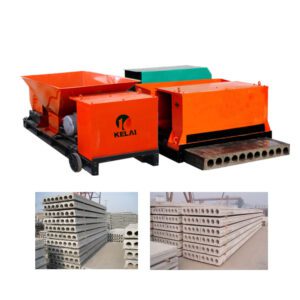
تولید دال با هسته توخالی دالهای کف با هسته توخالی یکی از پرکاربردترین المانهای پیشتنیده و پیشساخته در جهان هستند. سیمهای فولادی پیشتنیده که در طول هر دال کشیده شدهاند، این امکان را به آنها میدهند که فواصل طولانی بین تکیهگاهها — تا ۱۶ متر یا بیشتر — را پوشش دهند، در حالی که نسبتاً نازک و سبک باقی میمانند. دستگاه تنشدهی سیم فولادی نقطهٔ شروع ضروری برای هر چرخهٔ تولید دال هستهتوخالی است.
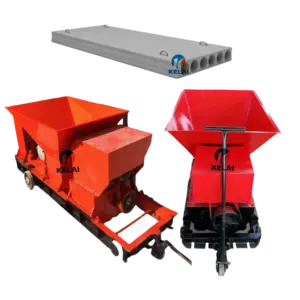
تولید پانل دیوار بتنی پیشساخته پانلهای دیواری پیشتنیده، از جمله آنهایی که در خط تولید خودکار اکستروژن پانل دیواری پیشساخته تولید میشوند، از سیمها یا رشتههای فولادی تنیده برای بهبود مقاومت در برابر خمش، کاهش خطر ترکخوردگی و امکان دهانههای بلندتر پانل استفاده میکنند. ماشین تنشدهی جک هیدرولیک برای پیشتنیدگی، برای پیشتنیدگی آرماتور پانل روی بستر ریختهگری قبل از بتنریزی یا اکستروژن استفاده میشود.
تیغههای پیشتنیده و ستونها برای دستیابی به عملکرد لازم در باربری و دهانه در تیرها و ستونهای پیشتنیده ساختاری ساختمانهای چندطبقه، تأسیسات صنعتی و سازههای پارکینگ، به سطوح بالایی از پیشتنیدگی نیاز است. از سیستمهای جک هیدرولیک با ظرفیت بالا برای تنشدهی همزمان چندین رشته در سراسر بسترهای طولانی ریختهگری استفاده میشود.
ساخت پل و روگذر تیرهای بزرگدهانه پل — چه پیشساخته و چه درجا ریختهشده — به نیروهای عظیم پیشتنیدگی نیاز دارند که اغلب در محدوده هزاران کیلو نیوتن برای هر گروه تاندون قرار میگیرند. هم پیشکشش (برای تیرهای پیشساخته) و هم پسکشش (برای ساخت درجا یا ساخت بخشبندیشده) به ماشینهای کشش سیمفولادی با ظرفیت بالا متکی هستند.
متروی ریلی، روگذرها و تونلها زیرساخت حملونقل شهری بهشدت به بتن پیشتنیده برای پلهای راهآهن مرتفع، آستر تونلها و سازههای روگذر متکی است. دستگاه تنشدهی با جک هیدرولیک برای پیشتنیدگی، تجهیز ضروری در هر یک از این پروژهها است.
شمعهای پی و لنگرهای زمینی شمعهای بتنی پیشتنیده برای پی ساختمانها و لنگرهای زمینی با ظرفیت بالا برای دیوارهای حائل و تقویت سدها نیز از تجهیزات پیشتنیدگی برای دستیابی به عملکرد سازهای مورد نیاز استفاده میکنند.
چرا دقت و ایمنی در تنشدهی سیم فولادی غیرقابل مذاکره هستند
عملیات پیشتنیدگی شامل نیروهای بسیار زیادی است — اغلب صدها تا هزاران کیلونیوتن که در مقطع عرضی نسبتاً کوچکی از فولاد متمرکز میشوند. پیامدهای خرابی تجهیزات، تنشدهی نادرست یا لنگراندازی نامناسب در این فرایند میتواند فاجعهبار باشد، هم برای یکپارچگی سازهای عنصر نهایی و هم برای ایمنی اپراتورها.
چندین اصل حیاتی ایمنی و دقت، استفاده صحیح از دستگاه تنشدهی جک هیدرولیک برای پیشتنیدگی را تعیین میکنند:
کالیبراسیون تجهیزات — کلیه تجهیزات پیشتنیدگی هیدرولیکی باید پیش از اولین استفاده کالیبره شده و در فواصل زمانی منظم (معمولاً هر شش ماه یکبار یا پس از تعداد مشخصی عملیات تنیدن) مجدداً کالیبره شوند. کالیبره کردن گیج فشار در مقابل دینامومتر مرجع، تضمین میکند که نیروی اعمالشده دقیقاً با نیازمندیهای طراحی مطابقت دارد.
حفاظت در برابر فشار بیش از حد سیستمهای مدرن جک هیدرولیک شامل شیرهای اطمینان ایمنی داخلی و محافظت در برابر فشار بیش از حد هستند تا از ایجاد کشش تصادفی بیش از حد که میتواند باعث پارگی یک رشته تحت بار شود، جلوگیری کنند.
تنشدهی هماهنگ — در مواردی که چندین جک بهطور همزمان روی المانهای بزرگ استفاده میشوند، یک ناظر اختصاصی باید عملیات را هماهنگ کند تا اطمینان حاصل شود که همه جکها بهطور یکنواخت پیش میروند. تنشدهی ناهمزمان میتواند نیروهای خارجمرکزی ناخواسته ایجاد کند که به المان بتنی یا بستر ریختهگری آسیب میرساند.
آمادهسازی انتهای رشته تمیز — رشتههای فولادی باید بهطور تمیز با استفاده از ارّهٔ چرخ سنباده بریده شوند تا سطح انتهایی صاف و بدون زائده باشد. انتهای نامنظم کارایی گیرش سیستم میخ انکوری را کاهش داده و میتواند باعث لغزش زودهنگام میخ شود.
بازرسی شلنگها و اتصالات شیلنگهای هیدرولیک فشار قوی باید بهطور منظم از نظر سایش، ساییدگی یا خرابی اتصالات بازرسی شوند. خرابی شیلنگ تحت فشار یک خطر ایمنی جدی است.
تولیدکنندگان پیشرفته مانند شرکت صنعتی هنان کلای با مسئولیت محدود. مکانیزمهای قفل ایمنی و ضرایح محافظت در برابر فشار بیش از حد را مستقیماً در ایستگاههای پمپ هیدرولیک خود طراحی کرده و پیشگام سیستمهای تنشدهی یکپارچه با اینترنت اشیا (IoT) بودهاند که قادر به نظارت از راه دور بر دادههای تنشدهی و تولید خودکار گزارش هستند — و بدین ترتیب استانداردهای ساخت هوشمند را به عملیات تولید پیشتنیدگی میآورند.
شرکت صنعتی هنان کلای با مسئولیت محدود — تولیدکننده حرفهای ماشینآلات بتن پیشساخته و تجهیزات تنشدهی میلههای فولادی
انتخاب تأمینکننده مناسب تجهیزات برای عملیات پیشتنیدگی به اندازه انتخاب ماشین مناسب اهمیت دارد. قابلیت اطمینان تجهیزات، دقت نیرو، سهولت نگهداری و در دسترس بودن پشتیبانی فنی همه مستقیماً بر کیفیت هر عنصر پیشتنیده تولیدشده توسط تأسیسات شما تأثیر میگذارند.
شرکت صنعتی هنان کلای با مسئولیت محدود., ، مستقر در چین، یک تولیدکننده حرفهای ماشینآلات بتن پیشساخته با بیش از ۱۰ سال تجربه تخصصی است. این شرکت طراحی، مهندسی و تأمینکننده مجموعهای جامع از تجهیزات تولید پیشتنیدگی و قطعات بتنی پیشساخته است، از جمله دستگاههای تنشدهی جک هیدرولیک برای پیشتنیدگی، دستگاههای تنشدهی سیم فولادی، خطوط تولید کامل دال توخالی، خطوط اکستروژن پانلهای دیواری پیشساخته و ماشینآلات کمکی مرتبط.
آنچه شرکت صنعتی هنان کلای را متمایز میکند:
مهندسی دقیق و صحت نیرو هر دستگاه جک هیدرولیک تنشدهی برای پیشتنیدگی که توسط شرکت صنعتی هنان کِلائی تولید میشود، تحت آزمایشهای سختگیرانه کارخانهای قرار میگیرد. دقت نیروی تنشدهی در محدوده ±۱۱ مگاپاسکال از مقدار هدف حفظ میشود — مشخصهای حیاتی برای برآورده کردن استانداردهای بینالمللی مهندسی سازه و تضمین کیفیت یکنواخت المانهای پیشتنیده در هر سری تولید.
سیستمهای هیدرولیک فوقفشار طراحیهای ایستگاه پمپ هنان کلای شامل مدارهای دو مرحلهای فشار بالا و پایین برای عملکرد کارآمد در نیروهای تنشدهی مورد نیاز تولید پیشساخته مدرن است. این سیستمها بهگونهای مهندسی شدهاند که در گستره وسیعی از ظرفیتها، از تنشدهی با سیم سبک برای تولید پانلهای جداکننده تا پیکربندیهای با نیروی بالا برای ساخت تیرهای پل و تیرهای سازهای، بهطور قابلاعتماد عمل کنند.
فناوری تنشدهی هوشمند در راستای تغییر صنعت به سمت ساختوساز هوشمند، شرکت هنان کلای سیستمهای تنشدهی را با قابلیتهای پایش اینترنت اشیاء توسعه داده است. این سیستمها امکان پایش از راه دور و در زمان واقعی دادههای نیروی تنشدهی، تولید خودکار گزارشهای کنترل کیفیت و یکپارچهسازی با سیستمهای مدیریت تولید در سطح کارخانه را فراهم میکنند.
راهکارهای کامل کلید در دست شرکت هنان کلائ علاوه بر ماشینآلات منفرد، راهکارهای کامل خط تولید قطعات پیشساخته پستنیده را عرضه میکند — از بتنریزی، آمادهسازی و تنشدهی میلههای فولادی، تا ریختهگری، عملآوری، برش و انباشت. طرحریزی چیدمان کارخانه، پشتیبانی در نصب، آموزش اپراتور و خدمات فنی پس از فروش بلندمدت، همگی بخشی از خدمات این شرکت هستند و آن را به شریکی تمامعیار برای توسعه تأسیسات پیشساخته تبدیل میکنند.
تجربه صادرات جهانی شرکت هنان کلای ماشینآلات پیشساخته و تجهیزات پیشتنیدگی را به تولیدکنندگان در سراسر آسیا، خاورمیانه، آفریقا و فراتر از آن عرضه کرده است. این تجربه بینالمللی به این معناست که شرکت نیازهای پروژه، الزامات انطباق با استانداردها و ملاحظات لجستیکی مشتریان فعال در بازارهای ساختوساز متنوع در سراسر جهان را درک میکند.
چگونه انتخاب کنیم دستگاه تنشدهی رشتهای فولادی برای تأسیسات پیشساخته شما
انتخاب دستگاه تنشدهی رشته فولادی مناسب برای نیازهای تولیدی شما مستلزم ارزیابی چندین پارامتر کلیدی است:
ظرفیت سفتکاری — حداکثر نیروی خروجی جک باید با نیروی پیشتنشی طراحیشده برای سنگینترین عنصر تولیدی شما برابر یا بیشتر باشد. اطمینان حاصل کنید که مدل انتخابی ظرفیت کافی را با حاشیه ایمنی مناسب فراهم میکند. ظرفیتها معمولاً از ۲۰۰ کیلو نیوتن برای کاربردهای سبک تا ۱۰٬۰۰۰ کیلو نیوتن یا بیشتر برای پروژههای بزرگ زیرساختی متغیر است.
قطر رشته و دهانه — دهانه مرکزی جک هیدرولیک باید متناسب با قطر رشتهای باشد که استفاده میکنید. اندازههای استاندارد رشتهها شامل قطر ۰.۵ اینچ (۱۲.۷ میلیمتر) و ۰.۶ اینچ (۱۵.۲ میلیمتر) است که نیازمند مشخصات دهانه جک متفاوت میباشند.
طول استروک — کورس پیستون جک باید به اندازهای بلند باشد که تغییر طول ارتجاعی رشته در سطح تنش مورد نیاز را در خود جای دهد. رشتههای بلندتر و سطوح تنش بالاتر، جکهایی با کورس بلندتر را میطلبند.
حجم تولید و چرخه کاری تأسیسات پیشساخته با حجم تولید بالا که در چندین شیفت کاری فعالیت میکنند، به تجهیزاتی نیاز دارند که برای عملکرد مداوم و سنگین، با سیستمهای آببندی مستحکم و فواصل زمانی طولانی بین عملیات نگهداری طراحی شده باشند.
پیکربندی تکرشتهای در مقابل چندرشتهای برای المانهای پیشتنیده کوچک و متوسط، جکهای تکرشتهای انعطافپذیری لازم را فراهم میکنند. برای المانهای سازهای با ظرفیت بالا، سیستمهای تنشدهی همزمان چندرشتهای بهرهوری تولید را افزایش داده و توزیع یکنواخت تنش را تضمین میکنند.
پیالسی و یکپارچهسازی دادهها تأسیساتی که تحت سیستمهای مدیریت کیفیت ایزو فعالیت میکنند یا به مشتریان سختگیر کالا عرضه مینمایند، از ترکیب جک و ایستگاه پمپ که خروجی دادههای تنش دیجیتال را برای مستندسازی سوابق کیفیت فراهم میآورد، بهرهمند خواهند شد.
یک تأمینکننده حرفهای مانند شرکت صنعتی هنان کلای با مسئولیت محدود. میتواند برنامه تولید شما را ارزیابی کرده و مشخصات بهینهی ماشین تنشدهی رشته فولادی را برای انواع عناصر، پیکربندیهای رشته و اهداف تولید خاص شما توصیه نماید.
پرسشهای متداول درباره دستگاههای تنشدهی رشته فولادی
تفاوت بین دستگاه تنشدهی با سیم فولادی و دستگاه تنشدهی با جک هیدرولیک برای پیشتنیدگی چیست؟
دستگاه تنشدهی رشته فولادی اصطلاح کلی برای تجهیزاتی است که برای وارد کردن نیروی کششی به فولاد پیشتنیده استفاده میشود — این اصطلاح ممکن است به کل سیستم شامل ایستگاه پمپ، شلنگها و لوازم جانبی اشاره داشته باشد. دستگاه تنشدهی با جک هیدرولیک برای پیشتنیدگی بهطور خاص به مؤلفه جک هیدرولیک اشاره دارد که نیروی کششی را تولید و اعمال میکند و همچنین معمولاً برای توصیف کل سیستم تنشدهی هیدرولیک بهکار میرود. در عمل، این اصطلاحات اغلب در صنعت قطعات پیشساخته بهطور مترادف استفاده میشوند.
از چه مواد اولیهای (تارهای فولادی) در دستگاه تنشدهی پیشتنیدگی استفاده میشود؟
تولید استاندارد بتن پیشتنیده از میلههای فولادی هفتسیمه استفاده میکند که از ۶ سیم بیرونی مارپیچپیچیده دور یک سیم مرکزی تشکیل شده است. رایجترین قطرهای مایلهها ۱۲٫۷ میلیمتر (۰٫۵ اینچ) و ۱۵٫۲ میلیمتر (۰٫۶ اینچ) هستند. این رشتهها از سیم فولادی کمکربن سردکشی شده ساخته میشوند که استحکام کششی آنها معمولاً در محدوده ۱۷۷۰ تا ۱۸۶۰ مگاپاسکال قرار دارد.
چه عناصر پیشساختهای را میتوان با استفاده از دستگاه تنشدهی هیدرولیک جک برای پیشتنیدگی تولید کرد؟
این دستگاه برای تولید دالهای کف با هسته توخالی، تیرهای پیشتنیده، ستونها، پانلهای دیواری پیشساخته، تیرهای بزرگ پل، شمعهای شالوده و پانلهای راهپله استفاده میشود. هم در کاربردهای پیشتنیده (تولیدشده در کارخانه) و هم پستنیده (اجرایی در محل) در ساختوسازهای مسکونی، تجاری، صنعتی و زیرساختی، به جکهای هیدرولیک پیشتنیدگی نیاز است.
یک دستگاه تنشسنجی دسته فولادی هر چند وقت یکبار باید کالیبره شود؟
کالیبراسیون قبل از اولین استفاده و در فواصل زمانی منظم پس از آن لازم است — معمولاً هر شش ماه یکبار یا پس از هر ۲۰۰ عملیات تنشدهی، هر کدام که زودتر باشد. کالیبراسیون مجدد باید پس از هر تعمیر یا بازسازی جک یا ایستگاه پمپ نیز انجام شود. کالیبراسیون دقیق برای اطمینان از مطابقت نیروی تنش اعمالشده با مشخصات طراحی مهندس سازه ضروری است.
برای راهاندازی یک دستگاه تنشدهی پیشتنیدگی به چند اپراتور نیاز است؟
یک دستگاه استاندارد تنشدهی هیدرولیک جک تکسیم برای پیشتنیدگی را میتوان توسط یک اپراتور آموزشدیده برای تولید معمول قطعات پیشساخته راهاندازی و بهرهبرداری کرد. در مواردی که تنشدهی همزمان چندسیم انجام میشود، یک سرپرست اختصاصی لازم است تا عملیات را هماهنگ کرده و چندین جک را برای تضمین تنشدهی یکنواخت نظارت کند.
آیا شرکت صنعتی هنان کِلای میتواند یک خط تولید کامل قطعات پیشتنیده پیشساخته را تأمین کند، نه فقط دستگاه تنشدهی؟
بله. شرکت صنعتی هنان کلای با مسئولیت محدود خطوط تولید پیشساخته کلید در دست را بهطور کامل عرضه میکند که شامل کارخانههای بتنریزی، تجهیزات آمادهسازی رشته فولادی، دستگاههای تنشدهی، دستگاههای اکستروژن یا ریختهگری، سیستمهای عملآوری، دستگاههای برش و سیستمهای انباشت است. این شرکت همچنین طراحی چیدمان کارخانه، پشتیبانی نصب، آموزش اپراتور و خدمات فنی پس از فروش مستمر را ارائه میدهد.
نتیجهگیری: دستگاه تنشدهی رشتهای فولادی، اساس بتن پیشتنیده باکیفیت است.
هر عنصر بتن پیشتنیده — از یک دال کف با هسته توخالی در یک آپارتمان بلندمرتبه تا یک تیرک پل با دهانه بلند که از روی یک رودخانه بزرگ عبور میکند — با یک عملیات حیاتی آغاز میشود: تنشدهی دقیق و قابلاعتماد رشتههای فولادی با مقاومت بالا با استفاده از یک دستگاه تنشدهی رشتهای فولادی. این مرحله را درست انجام دهید تا المان بتنی حاصل مطابق با طراحی مهندس سازه عمل کند. اگر آن را اشتباه انجام دهید — بهدلیل تنشدهی نادرست، لنگراندازی معیوب یا تجهیزات ناکافی — پیامدها از کاهش عمر مفید تا شکست فاجعهبار سازه متغیر است.
آن ماشین تنشدهی جک هیدرولیک برای پیشتنیدگی راه حل استاندارد صنعتی برای این عملیات حیاتی است که دقت کنترل هیدرولیک فشار بالا را با قابلیت اطمینان مکانیکی مورد نیاز برای تولید مداوم و شبانهروزی قطعات پیشساخته در مقیاس صنعتی ترکیب میکند.
انتخاب ماشینی از تولیدکنندهای با تخصص عمیق در ماشینآلات بتن پیشساخته، صرفاً یک تصمیم خرید نیست؛ بلکه تصمیمی برای تضمین کیفیت است که بر هر عنصری که تأسیسات شما تولید میکند، تأثیر میگذارد.
شرکت صنعتی هنان کلای با مسئولیت محدود. دارای بیش از ۱۰ سال تجربه تخصصی در ساخت ماشینآلات بتن پیشساخته است، از جمله سیستمهای تنشدهی هیدرولیک پیشتنیدگی که برای دقت، ایمنی و قابلیت اطمینان عملیاتی بلندمدت مهندسی شدهاند. چه به یک دستگاه تاندونکشی هیدرولیک جک تکی برای پیشتنیدگی در یک محوطه کوچک پیشساخته نیاز داشته باشید، یا یک خط تولید کامل کلید در دست برای پیشتنیدگی در یک کارخانه پیشساخته بزرگ، هنان کلای تخصص، تجهیزات و قابلیت پشتیبانی جهانی برای ارائه راهحل مناسب را دارد.
امروز با شرکت صنعتی هنان کلای تماس بگیرید تا در مورد نیازهای تجهیزات پیشتنیدگی خود گفتگو کرده و یک پروپوزال فنی سفارشی دریافت کنید.
دستگاه تنشدهی سیم فولادی پیشتنیده | تجهیزات تنشدهی جک هیدرولیک