
Visão geral da máquina para a produção de postes pré-fabricados em betão
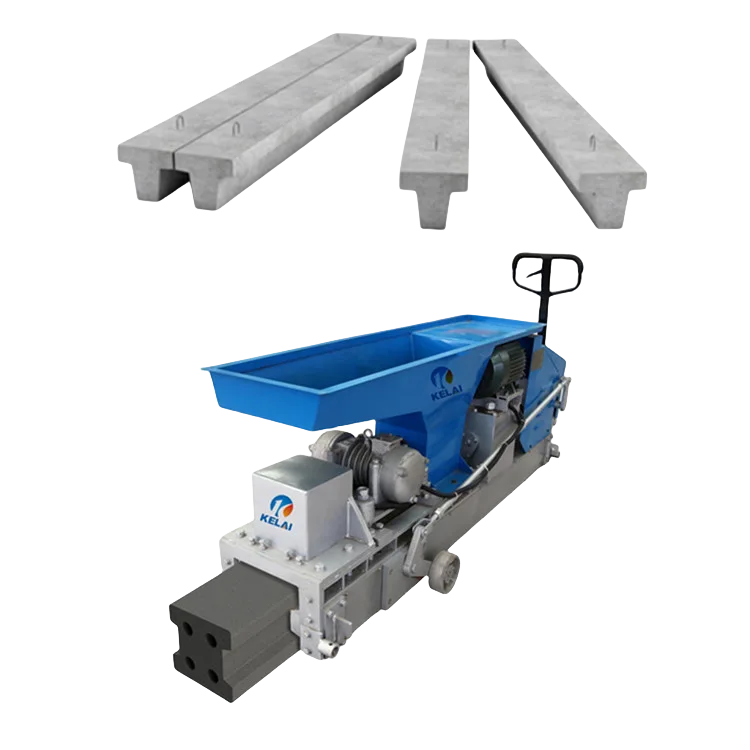
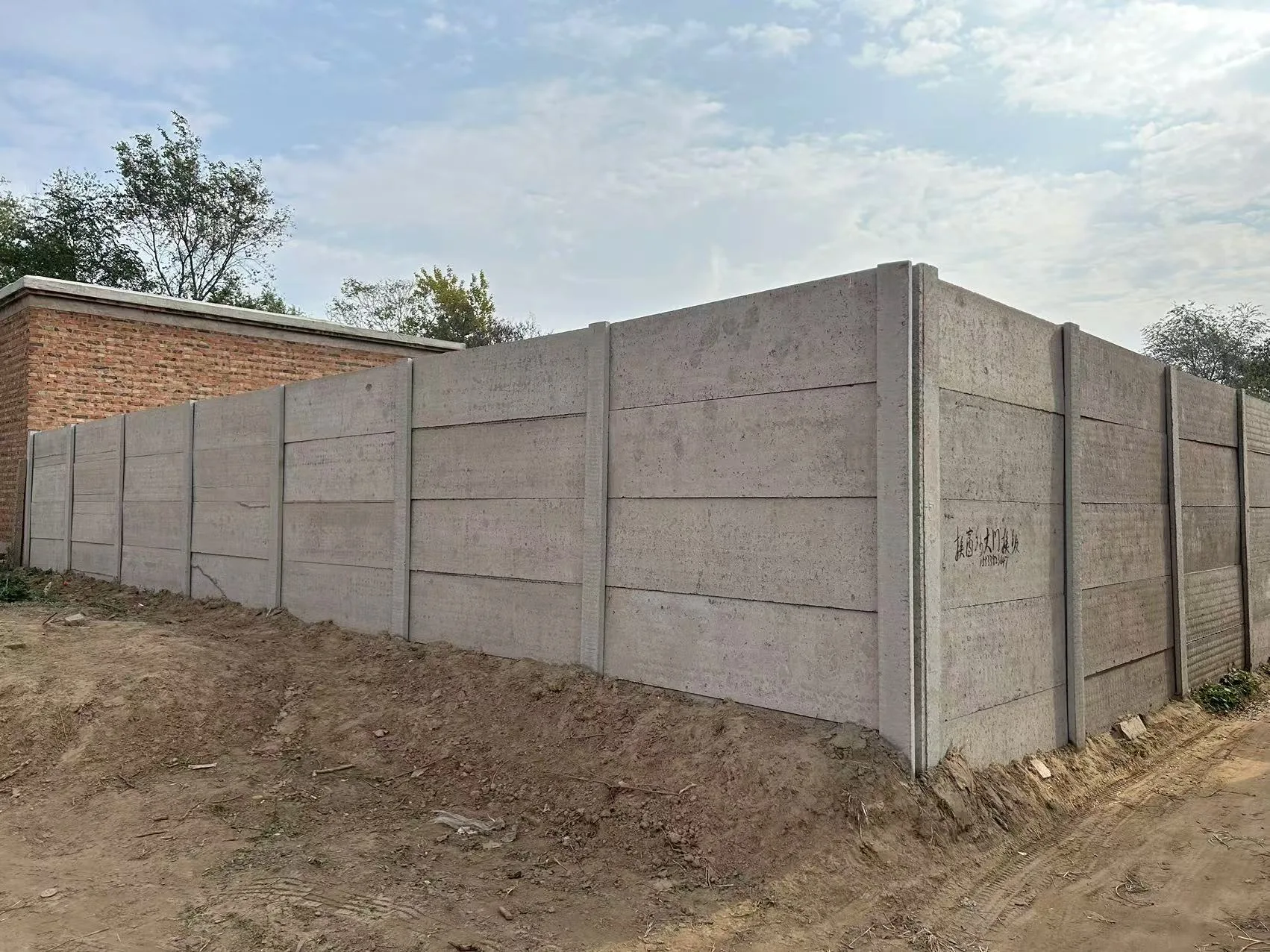
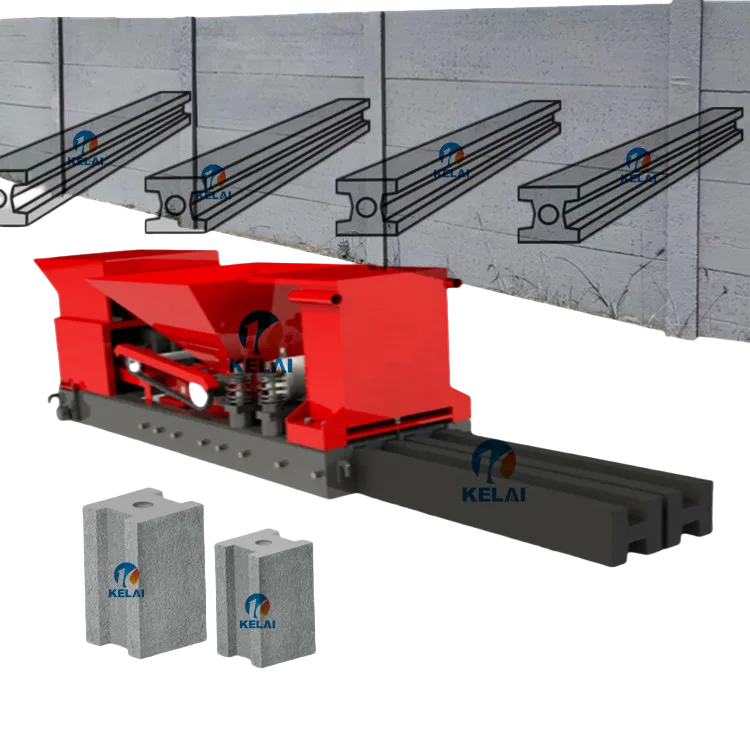
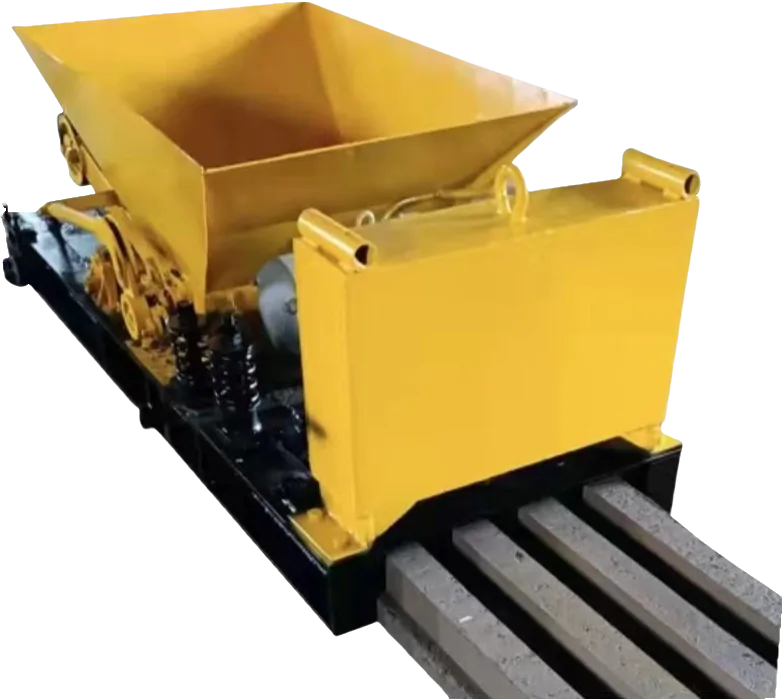
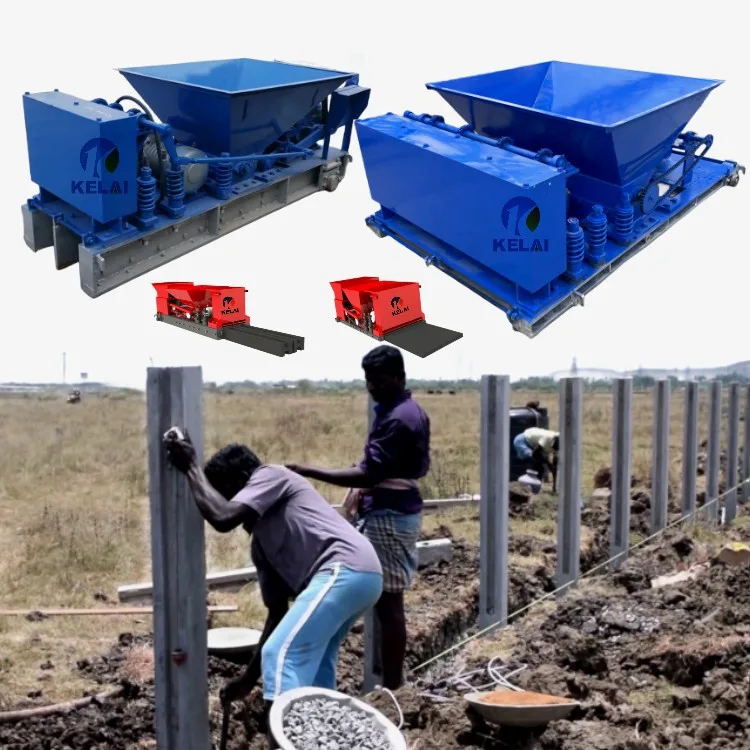
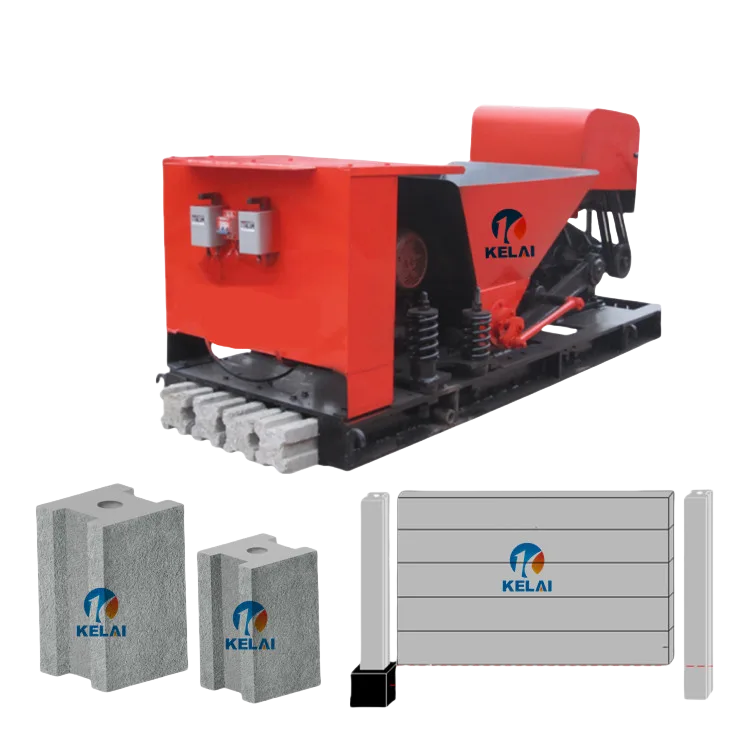
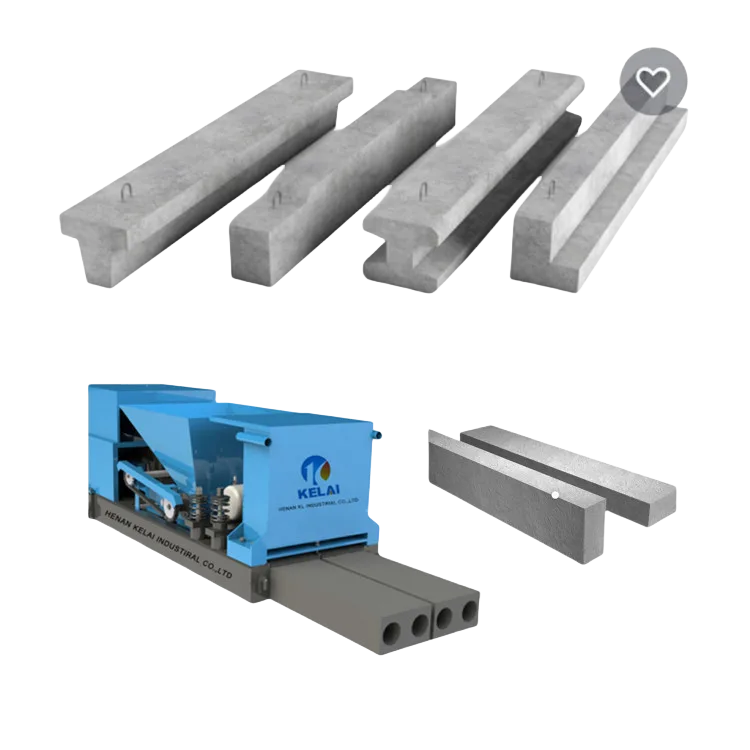
O Máquina para postes de betão pré-fabricados é um equipamento especializado utilizado na produção de postes de betão pré-fabricado ou pilares, que são habitualmente utilizados em vedações, suportes estruturais e muros de delimitação. Estes postes são componentes essenciais na construção, proporcionando estabilidade, resistência e durabilidade a várias estruturas, tais como vedações, portões e muros. A máquina automatiza o processo de produção de postes de betão, garantindo elevada qualidade, uniformidade e precisão em cada peça.
Principais características e funcionalidades
Moldagem e modelagem:
A máquina para a produção de postes de betão pré-fabricado utiliza moldes para moldar postes de betão com diversas formas, tais como redondos, quadrados ou retangulares. Estes moldes garantem que cada poste seja produzido com dimensões precisas, proporcionando um elevado nível de uniformidade no produto final.
Processo de produção automatizado:
A máquina automatiza todo o processo, incluindo mistura, derramamento, moldagem, compactação, e cura. Isto reduz o trabalho manual e aumenta a velocidade de produção, tornando-o ideal para projetos de construção em grande escala.
Compactação por vibração:
Para garantir uma resistência ideal, a máquina utiliza compactação por vibração, o que elimina bolsas de ar e garante que o betão fique bem compactado. Isto resulta em postes de betão com elevada resistência à compressão, maior durabilidade e menor risco de fissuras ou quebra.
Integração de reforços:
A máquina pode incorporar materiais de reforço, tais como barras de aço ou fios, nos postes de betão durante a produção. Este reforço melhora significativamente a capacidade de suporte de carga dos postes e a sua resistência às forças externas, garantindo que cumprem as normas de segurança e resistência necessárias.
Personalização das dimensões dos postes:
A máquina para a produção de postes de betão pré-fabricado oferece flexibilidade em termos de tamanho e forma. A máquina pode produzir postes de vários comprimentos, larguras, e espessuras, o que lhe permite responder a uma vasta gama de requisitos de construção.
Alta capacidade de produção:
A máquina foi concebida para produção de alta eficiência, capaz de produzir vários postes de betão num curto espaço de tempo. Esta característica é especialmente vantajosa para projetos que exigem uma grande quantidade de postes.
Rápido Processo de cura:
Depois de formados, os postes são submetidos a um processo de cura para atingir a resistência necessária. A máquina pode ser combinada com sistemas de cura automatizados para acelerar este processo, permitindo prazos de execução mais curtos e uma conclusão mais rápida do projeto.
Vantagens das máquinas para a produção de postes pré-fabricados em betão
Resistência e durabilidade: Os postes de betão produzidos por esta máquina são extremamente duráveis e capazes de resistir a condições meteorológicas adversas, tornando-os ideais para aplicações no exterior, tais como vedações e muros de delimitação.
Rentável: A automatização do processo de produção reduz os custos com mão-de-obra, minimiza o desperdício de materiais e melhora a eficiência, tornando-a uma solução rentável para projetos de grande escala.
Consistência e precisão: A máquina garante que cada poste seja produzido com dimensões e qualidade uniformes, reduzindo os defeitos e melhorando a integridade estrutural global da construção.
Opções personalizáveis: A máquina pode ser facilmente ajustada para produzir postes de diferentes tamanhos e formas, de modo a satisfazer os requisitos específicos de cada projeto, oferecendo versatilidade em termos de design e aplicação.
Produção rápida: A elevada capacidade de produção e os processos automatizados permitem uma fabricação rápida, reduzindo os prazos dos projetos e aumentando a produtividade global.
Baixa manutenção: Concebida para ser duradoura, a máquina requer uma manutenção mínima, o que reduz o tempo de inatividade e os custos operacionais.
Aplicação de postes de betão
✅ Aplicação de postes pré-fabricados de betão
Postes pré-fabricados de betão são amplamente utilizados na construção moderna devido à sua resistência, durabilidade e facilidade de instalação. Estes postes são ideais para:
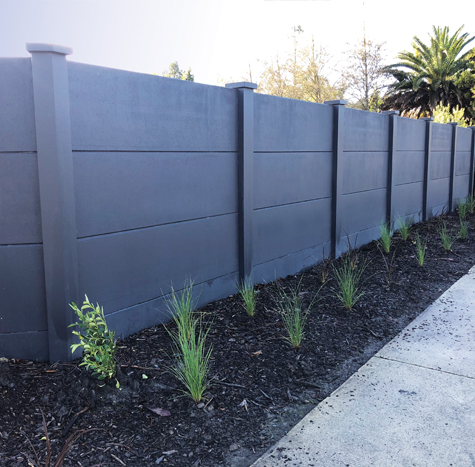
Sistemas de paredes divisórias: Utilizado com painéis de parede pré-fabricados e postes em H para criar vedações resistentes e modulares.
Cercas agrícolas: Cercas de arame ou de painéis para explorações agrícolas, campos e recintos para gado.
Áreas residenciais e comerciais: Proporcionar segurança e um aspeto arquitetónico elegante.
Projetos de infraestruturas: Incluindo autoestradas, barreiras ferroviárias e recintos de instalações públicas.
Estruturas de suporte para painéis solares: Servem de bases estáveis para a instalação de sistemas de painéis solares.
Sistemas de vinha e pomar: Treliças de suporte para plantas em campos agrícolas.
Os postes pré-fabricados podem ser personalizados em termos de altura, secção transversal e armadura, consoante os requisitos estruturais e de suporte de cargas.
Cercas: Os postes pré-fabricados de betão são os mais utilizados como suportes verticais para cercas, especialmente em projetos residenciais, comerciais e agrícolas.
Muros de delimitação: Os pilares de betão são essenciais para a construção de muros de delimitação, proporcionando resistência e estabilidade a toda a estrutura.
Suportes estruturais: Os postes também podem ser utilizados como postes de portão, postes de sinalização e noutras aplicações estruturais em que seja necessário um suporte que suporte cargas.
Recintos de segurança: Os postes de betão são frequentemente utilizados na construção de recintos de segurança, como prisões, instalações militares e instalações industriais.
Paisagismo e decoração: Para além das suas utilizações funcionais, os postes de betão pré-fabricado são utilizados em paisagismo para criar delimitações de jardins, vedações decorativas e outras estruturas estéticas.
Manutenção e cuidados
Para garantir a longevidade e a eficiência da máquina de produção de postes pré-fabricados em betão, é essencial realizar uma manutenção regular:
Limpeza dos moldes: Limpe os moldes regularmente para evitar a acumulação de resíduos de betão, o que pode afetar a qualidade dos postes.
Verificação do sistema de vibração: Certifique-se de que o sistema de vibração está a funcionar corretamente, para garantir uma compactação e consolidação ideais do betão.
Lubrificação das peças móveis: A lubrificação regular das peças móveis ajuda a reduzir o atrito, a prevenir o desgaste e a garantir um funcionamento suave.
Inspeção dos sistemas elétricos e hidráulicos: A inspeção regular dos componentes elétricos e hidráulicos garante que a máquina funcione de forma eficiente e reduz o risco de avarias.
Colocação do material de reforço: Verifique se os materiais de reforço estão posicionados corretamente nas formas, de modo a garantir uma resistência e um desempenho estrutural ótimos.