
Precast Boundary Wall Making Machine diagram:
Discover Kelai’s Precast Boundary Wall Making Machine for fast, durable, and cost-effective wall production. Trusted Chinese manufacturer with global service.
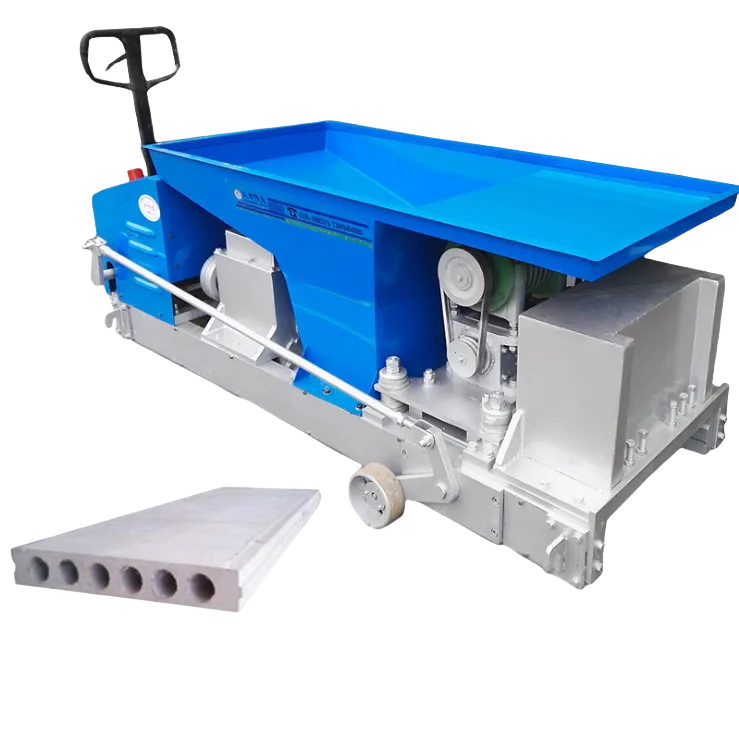
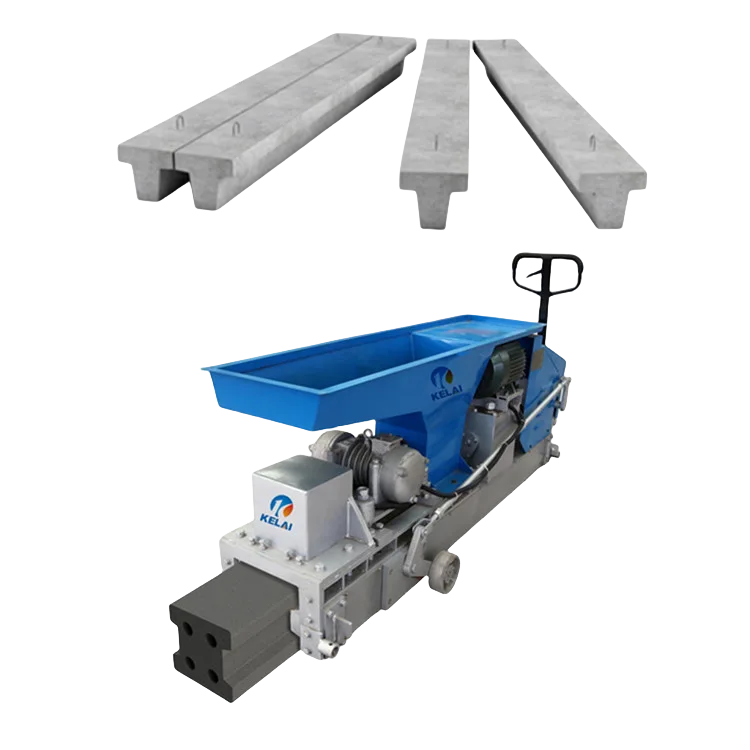
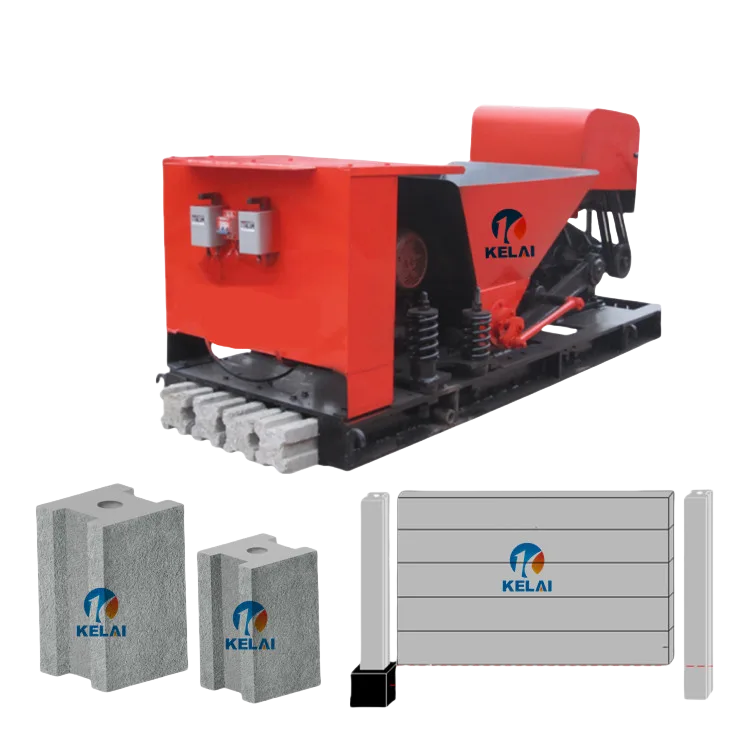
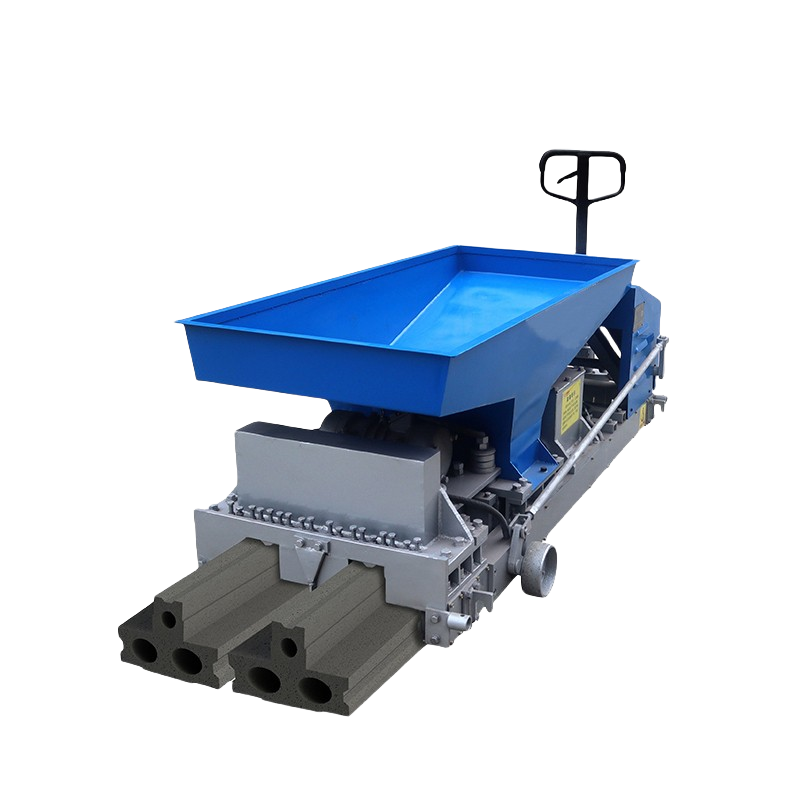


What is a Precast Boundary Wall Making Machine?
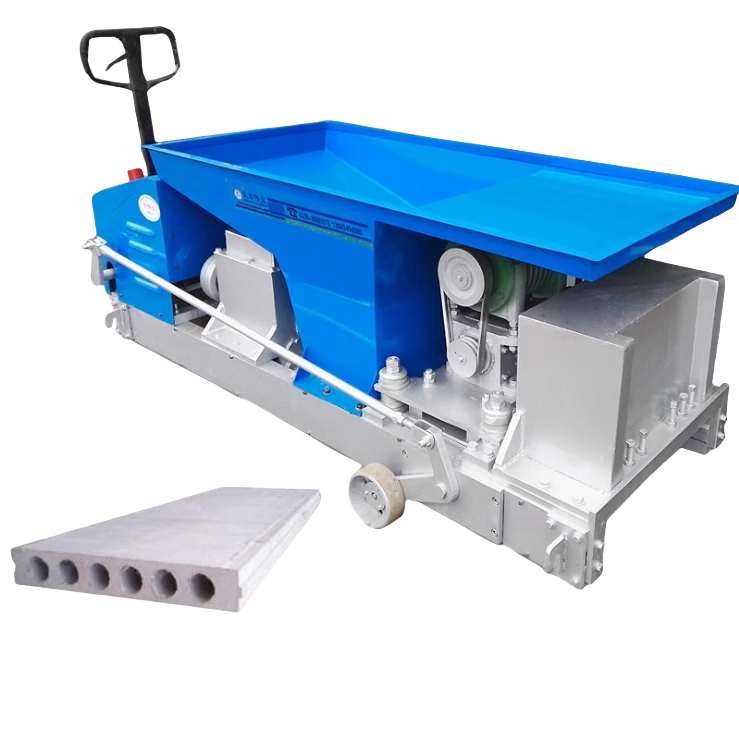
Precast concrete boundary wall machine are specialized production systems designed to manufacture precast wall panels and associated support elements (such as H-columns) used for building boundary or fence walls. These machines streamline the production process by integrating several functions, including concrete feeding, molding, vibration compaction, and demolding. Here’s an overview:
Overview Of Precast Boundary Wall Making Machine
Purpose:
These machines are engineered to produce uniform, high-quality concrete panels that serve as boundary walls for residential, industrial, agricultural, and infrastructure projects. They are especially popular for creating non-load-bearing walls that require quick installation and durable performance.Efficient precast boundary wall making machine designed for fast production, strong durability, and low labor cost. Ideal for fencing and infrastructure projects.
Types of Systems:
There are variations designed for light-duty panels (typically around 50 mm thick and 300 mm wide) and heavy-duty panels (up to 120 mm thick and wider dimensions). Many systems also include dedicated machines for casting supporting H-columns that interlock with the wall panels for added stability.
Key Features Of Precast Boundary Wall Making Machine
High Productivity:
Precast machines can produce large volumes of panels rapidly. For example, extrusion-based systems can create wall panels quickly. They can produce panels at speeds of several meters per minute. This greatly cuts down on labor and time needed at the job site.Automation & Consistency:
Many systems are semi-automatic or fully automatic, incorporating programmable controls (like PLCs) to ensure precision in panel dimensions, reinforcement placement, and surface finish. This consistency helps reduce material waste and minimizes the need for on-site adjustments.Vibration Compaction:
Integrated vibration systems compact the concrete mix, ensuring uniform density and superior surface finish without the need for additional external compaction. This contributes to the strength and durability of the panels.Customization:
The machines offer adjustable molds and settings to accommodate various wall panel designs, textures, and reinforcement configurations. This allows manufacturers to tailor panels for specific project requirements, whether for aesthetic, structural, or insulation needs.Material Efficiency:
By continuously extruding and compacting concrete, these machines ensure minimal waste. The recycled concrete mix (if any) can often be fed back into the process, further enhancing cost efficiency.
Working Principle
Concrete Feeding:
A well-calibrated concrete mix, often including cement, sand, aggregates (or lightweight materials for insulation), and reinforcement (steel wires or mesh), is fed into the machine.Molding & Compaction:
The concrete is directed into a custom mold where it is extruded and vibrated simultaneously. The vibration ensures that the mix fills the mold completely, eliminates air pockets, and creates a smooth surface.Reinforcement Integration:
Many machines are designed to incorporate reinforcement directly into the panels during the casting process, either by automatically placing steel wires or by using pre-set inserts.Curing & Demolding:
After compaction, the panels are cured either within the machine or in dedicated curing chambers. Once cured, they are demolded and may be further finished or cut to the required dimensions.Support Element Production:
In systems that also produce supporting H-columns, a similar process is used to manufacture the columns that will be integrated with the panels to form a complete boundary wall system.
Efficient Precast Boundary Walls with Concrete H Posts | Modular & Durable Fencing Solutions
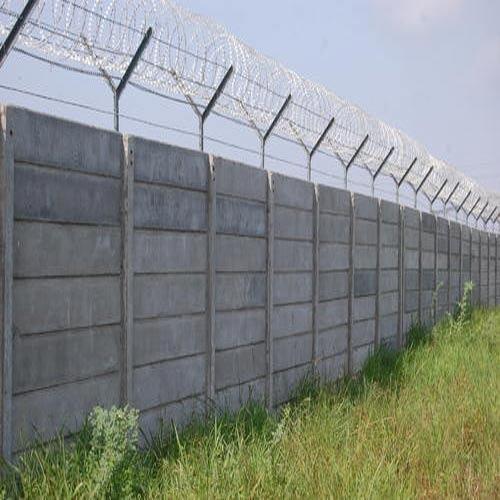
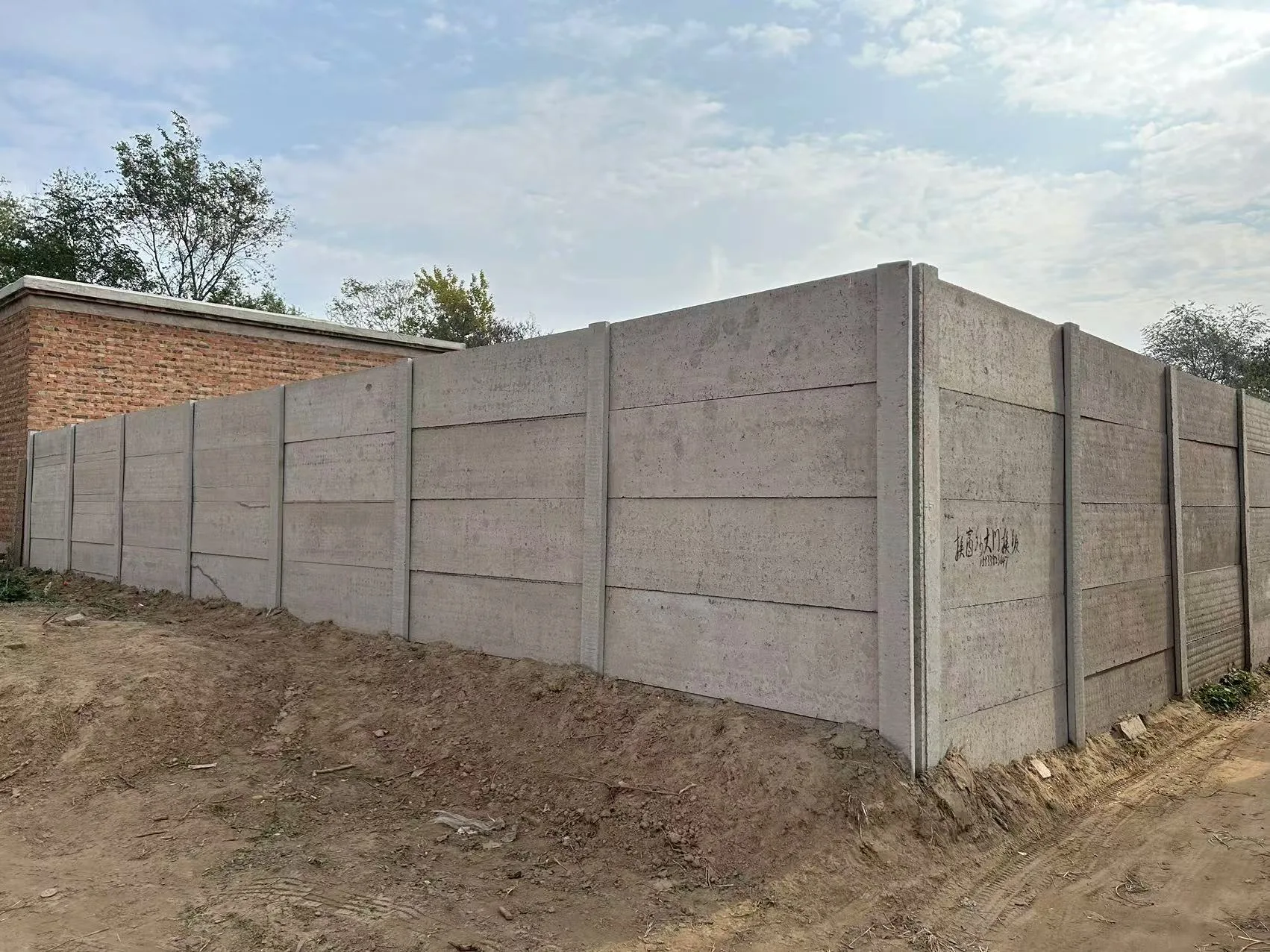
The H posts play a critical role in supporting the wall panels in a precast boundary wall system produced by a concrete boundary wall making machine. These concrete H posts act as vertical structural elements that securely hold the precast panels in place, forming a strong and modular fencing solution. The size and strength of the H post must match the height, width, and thickness of the wall panel it supports to ensure stability and safety.
Common sizes of H posts include 150×150 mm, 200×200 mm, 200×180 mm, and 230×180 mm, though custom sizes are also available based on project requirements. The combination of precast concrete panels and matching H posts allows for quick installation, minimal on-site labor, and long-term durability. This system is widely used in industrial perimeters, residential fencing, and agricultural boundary walls due to its efficiency, strength, and reusability.etc.
The precast boundary wall making machine is designed for high-speed production, excellent durability, and reduced labor cost, making it an ideal choice for fencing and infrastructure projects. These boundary walls are typically installed with concrete H posts, which serve as vertical supports and allow for quick and secure wall panel installation. The combination of precast wall panels and H-shaped concrete posts creates a modular system that is not only fast to assemble but also highly stable and weather-resistant. This solution is widely used in residential, industrial, and agricultural boundary enclosures. Kelai’s machinery ensures consistent quality and compatibility between the panels and the posts for long-term structural integrity.