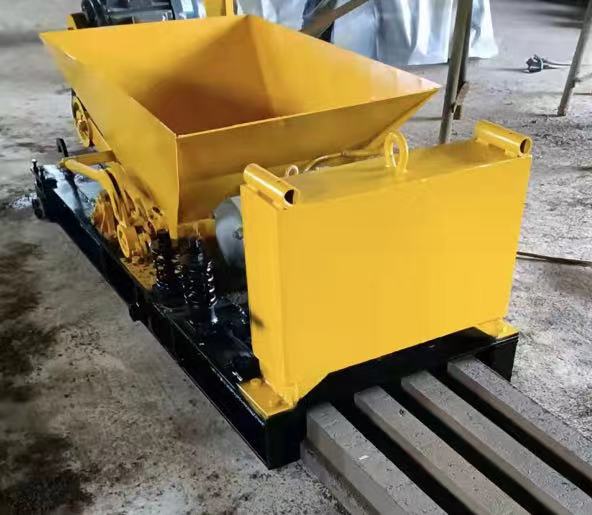
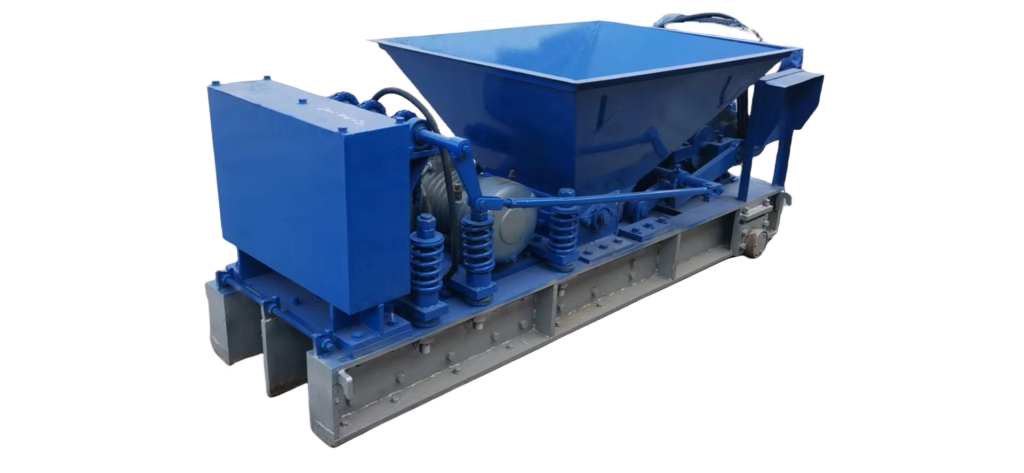
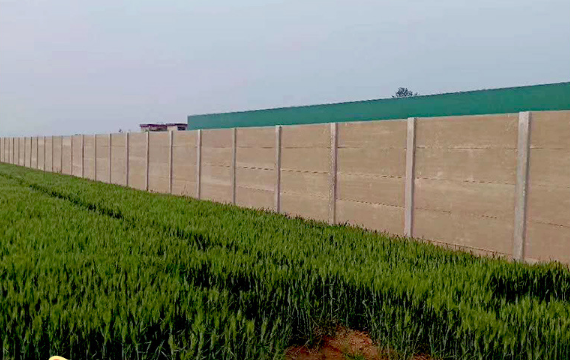
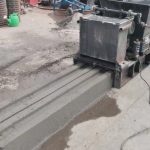
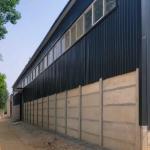
The Concrete Pillar Machine is a specialized piece of equipment used for the production of precast concrete pillars or posts. These pillars are commonly used in a variety of construction projects, including fence posts, structural supports, decorative pillars, and boundary walls. The machine automates the process of producing high-quality concrete pillars, ensuring consistent strength, durability, and uniformity in every unit.
Mold-Based Production:
The Concrete Pillar Machine utilizes customizable molds to shape concrete into precise pillar profiles. These molds can be designed to produce round, square, or other customized shapes of concrete pillars based on the project’s requirements.
Automated Production Process:
The entire pillar production process is automated, which includes mixing, pouring, molding, compaction, and curing. Automation increases production speed, reduces labor costs, and improves the consistency and quality of each pillar.
Vibration Compaction:
Vibration compaction is used to eliminate air pockets within the concrete, ensuring the pillar is dense and strong. This process results in high-strength concrete pillars with excellent structural integrity and long-lasting durability.
Reinforcement Integration:
The machine can embed reinforcement bars (rebar) or steel wires inside the concrete pillars during the production process, enhancing their load-bearing capacity and resistance to tension and cracking.
Customization Options:
The Concrete Pillar Machine can be customized to produce pillars of various lengths, diameters, and shapes. This flexibility allows it to meet the specific needs of different projects, from residential fences to large-scale industrial applications.
High Production Capacity:
The machine is designed for high-volume production, capable of producing multiple concrete pillars in a short period. This feature is especially useful for large construction projects that require a significant quantity of pillars.
Fast Curing Process:
The machine is typically integrated with an automated curing system, ensuring that the pillars reach their required strength in a short amount of time, allowing for faster project completion. etc.
Consistency and Precision: The automated production process ensures that each pillar is produced with uniform dimensions and quality, reducing the likelihood of defects.
Strength and Durability: Concrete pillars made with this machine are highly durable and capable of withstanding weather extremes, making them ideal for outdoor applications like fences and boundary walls.
Cost-Effective: By automating production, the machine reduces labor costs and material waste, offering a cost-efficient solution for producing concrete pillars in large quantities.
Customization Flexibility: The machine can be easily adjusted to produce pillars of various sizes, shapes, and designs, catering to a wide range of construction requirements.
High Production Speed: The machine’s high production capacity allows for quick turnover, which is crucial for large-scale projects.
Increased Structural Integrity: The ability to incorporate reinforcement materials (such as steel bars or wires) ensures the pillars meet the required strength and safety standards for load-bearing applications.
Fencing: The most common application for concrete pillars is in the construction of fences, where they serve as the vertical supports for wall panels or wire mesh.
Structural Supports: Concrete pillars are often used as support columns in residential, commercial, and industrial buildings, as well as in bridges and overpasses.
Boundary Walls: Concrete pillars are essential for constructing boundary walls, especially in large properties, industrial zones, and security enclosures.
Decorative Pillars: In addition to structural uses, concrete pillars are also employed in landscaping and architectural design for aesthetic purposes, such as gateposts, entrance columns, and garden supports.
To ensure the longevity and efficiency of the Concrete Pillar Machine, regular maintenance is crucial:
Mold Cleaning: Keep the molds clean to prevent residue build-up that can affect the quality of the pillars.
Vibrating System Check: Regular maintenance of the vibrating system ensures proper compaction and prevents air pockets in the concrete.
Lubrication of Moving Parts: Proper lubrication reduces friction and ensures smooth operation of the machine’s mechanical parts.
Inspection of Electrical and Hydraulic Components: Regular checks of electrical systems and hydraulic components help avoid malfunction and downtime.
Reinforcement Material Inspection: Ensure the reinforcement materials (steel bars or wires) are correctly positioned in the molds for optimal strength.