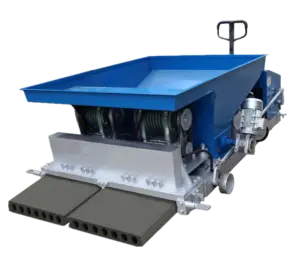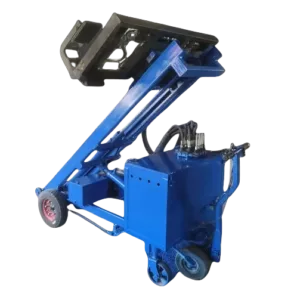
Push-Type Wall Panel Machine: The Efficient and Mold-Free Solution for Prefabricated Wall Panels
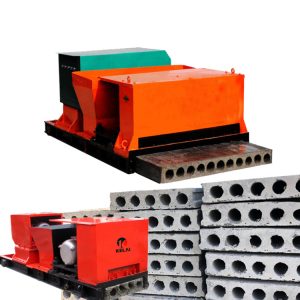
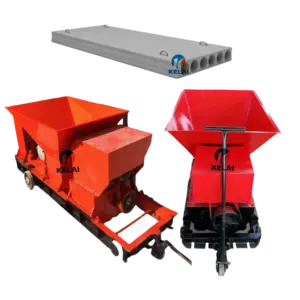
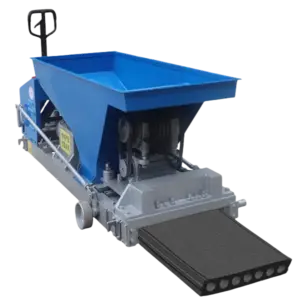
The push-type wall panel machine is an innovative mechanical device designed to produce prefabricated concrete wall panels continuously and efficiently. Unlike traditional methods that rely on molds, this machine utilizes a pushing mechanism—typically a screw propeller—to form concrete into wall panels with precise thickness and dimensions. Thanks to its mold-free production process, it offers significant advantages in terms of speed, cost-effectiveness, and scalability, making it an ideal choice for modern large-scale construction projects.
Working Principle of the Push-Type Wall Panel Machine
The production process of the push-type wall panel machine includes several key stages that ensure high-quality output:
1. Steel Bar Arrangement
Structural strength is a critical factor in wall panel production. To meet this, steel bars or prestressed steel strands are carefully arranged along the production path according to engineering specifications. This embedded reinforcement improves the load-bearing capacity and durability of the finished panels.
2. Concrete Feeding
Pre-mixed concrete, prepared with precise proportions of cement, aggregates, water, and additives, is fed into the machine through a designated inlet. The quality of this mix is crucial for the strength and surface finish of the panels.
3. Pushing and Forming
A spiral screw or propeller pushes the concrete forward along a defined channel inside the machine. Concurrently, vibration and compaction mechanisms work to evenly distribute the concrete and remove air pockets, ensuring that each panel is dense, uniform, and free of defects. This continuous forming process enables the production of long panels without the interruptions common in mold-based casting.
4. Cutting to Length
Once the concrete reaches the desired panel length, an automated cutting system slices the continuous slab into individual panels. The freshly cut panels enter an initial hardening phase where they gain sufficient strength for handling.
5. Demolding and Curing
Though mold-free in shaping, some machines may still use minor molds or guides for panel support during curing. After the panels reach initial hardness, they are demolded and transferred to curing chambers or curing yards. Controlled curing—often involving steam or humidity regulation—promotes optimal hydration of cement, leading to improved strength, durability, and longevity.
Advantages of Push-Type Wall Panel Machines
The push-type wall panel machine provides multiple benefits that make it a preferred option in prefabricated construction:
High Production Efficiency
The continuous pushing and forming mechanism dramatically increases throughput compared to batch mold casting. This means faster turnaround times and the ability to meet large project demands.
Cost Savings Through Mold-Free Production
Eliminating the need for molds reduces initial investment and ongoing maintenance costs. It also removes downtime required for mold setup and cleaning, further improving production efficiency.
Automation and Consistent Quality
Integrated intelligent control systems automate many steps, reducing labor requirements and minimizing human error. The result is uniform, high-quality panels that consistently meet design specifications.
Material Optimization and Sustainability
The machine allows flexible panel thickness and density settings, enabling manufacturers to tailor panels for specific structural and insulation requirements. This optimizes concrete usage and reduces waste, supporting sustainable building practices.
Versatility and Adaptability
Push-type wall panel machines can produce panels of various sizes, densities, and configurations, accommodating different architectural designs and construction codes.
Application Areas
Push-type wall panel machines are used extensively in:
- Residential Construction: Producing exterior walls, interior partitions, and insulated wall panels that improve thermal and acoustic performance.
- Commercial Buildings: Speeding up construction with standardized, durable wall panels suitable for offices, retail spaces, and hotels.
- Industrial Facilities: Delivering robust panels capable of withstanding heavy-duty environmental conditions, including warehouses and manufacturing plants.
- Large Prefabrication Plants: Supporting mass production for modular building components, enabling faster project completion and cost control.
Maintenance Tips for Optimal Performance
To maximize uptime and panel quality, regular maintenance of push-type wall panel machines is essential. Key areas include:
- Daily Cleaning: Remove concrete residue from feeding channels, screws, and molds to prevent buildup.
- Lubrication: Regularly oil moving parts such as screws, bearings, and gearboxes.
- Inspection: Periodically check the tension of belts and chains, monitor electrical components, and calibrate vibration systems.
- Mold and Cutting Blade Care: Ensure cutting devices remain sharp and molds (if any) are free of cracks or deformation.
Conclusion
The push-type wall panel machine stands out as a highly efficient, cost-effective, and adaptable solution for producing high-quality prefabricated concrete wall panels. Its continuous, mold-free forming process supports the demands of modern construction projects, especially large-scale prefabricated developments. By adopting this advanced technology, manufacturers can increase productivity, reduce costs, and deliver durable, precision-engineered wall panels that meet evolving industry standards.
If you are interested in exploring specific models, production parameters, or purchasing details, contact us for professional advice and customized solutions.
📌 Want High-Performance Precast Concrete Slab Machines?
Explore intelligent slab production solutions, full-line support, and technical consulting at:
🌐 www.kelaiii.com or www.cnkelaiii.com| WhatsApp: +86 17788171295