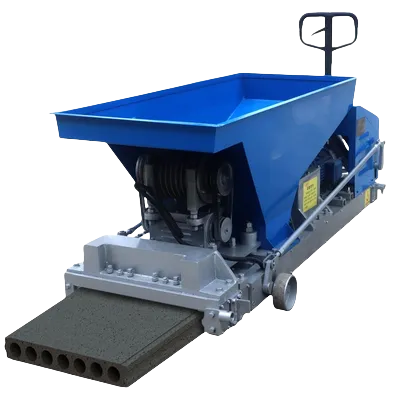
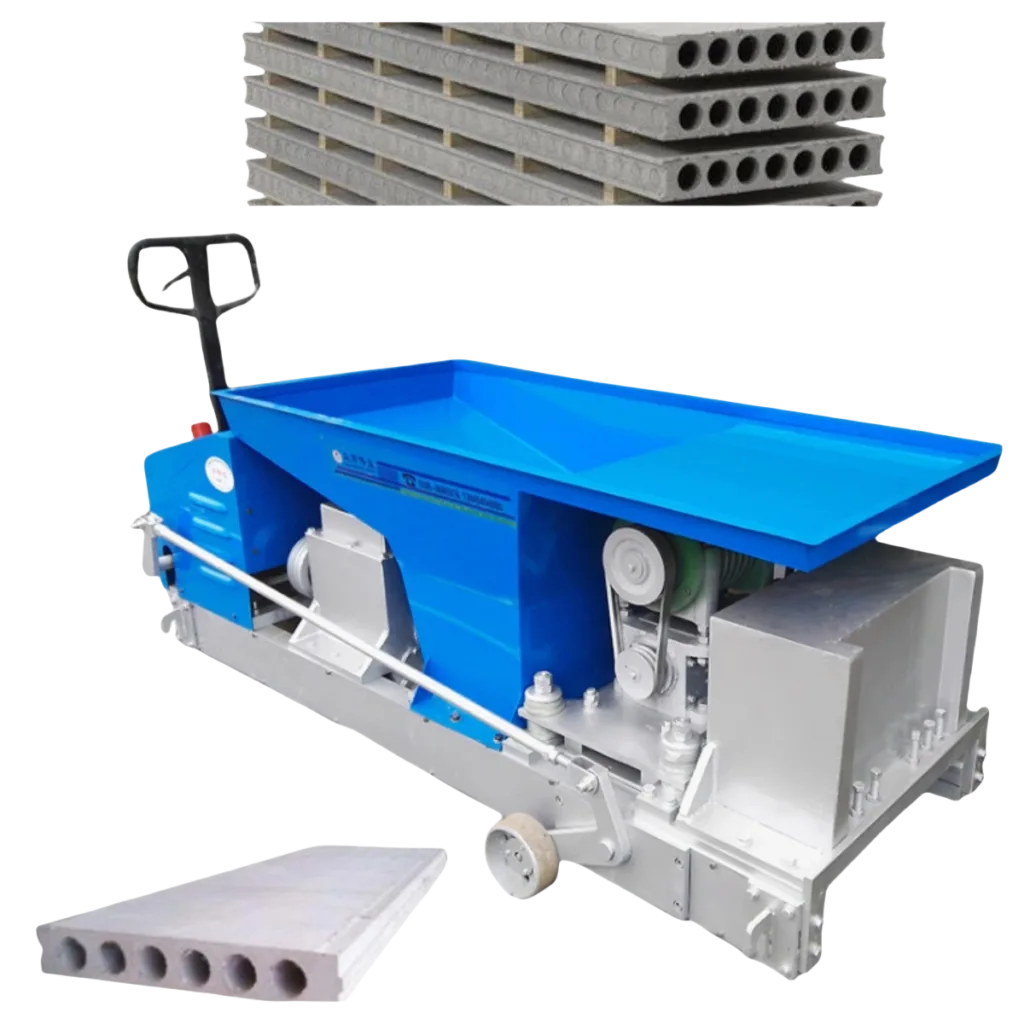
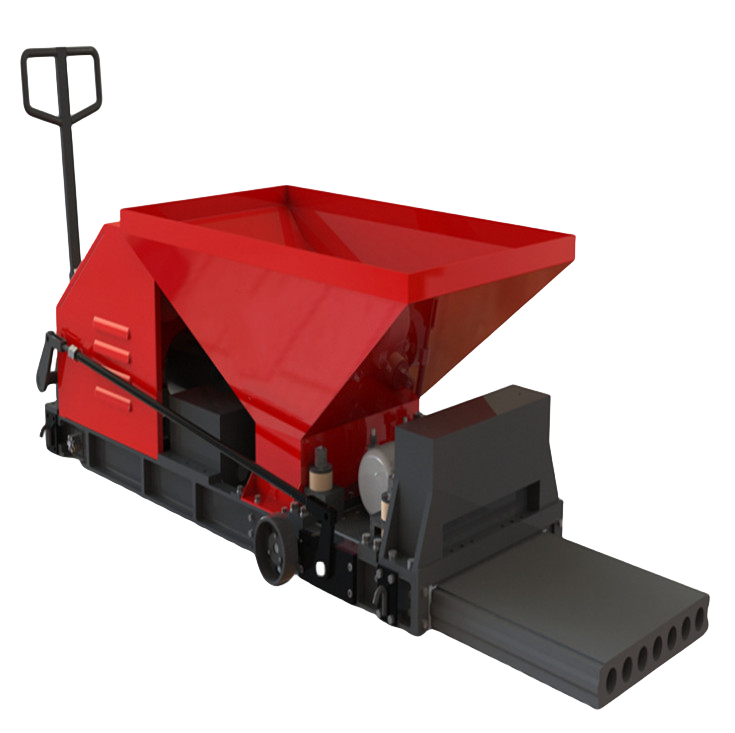
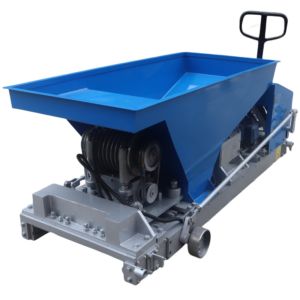
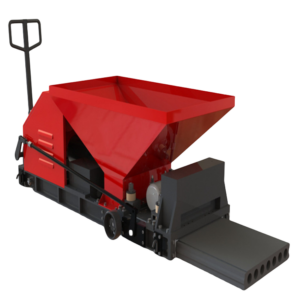
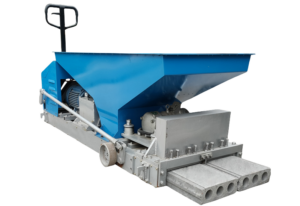
Extrusion Type Of Lightweight concrete Wall Panel Machine
Overview of precast wall panel Machine
A Precast Wall Panel Machine is a specialized piece of equipment used for producing precast concrete panels, which are widely used in construction projects for walls, facades, and partitions. These machines are engineered for high efficiency and precision, ensuring the consistent quality and speed required for large-scale construction.. etc.
Many modern precast wall panel machines incorporate energy-saving features and optimized material usage, reducing waste and lowering production costs.
6.Vibration System:
A vibrating system ensures proper compaction of the concrete, resulting in stronger, more durable panels. The vibration process helps remove air pockets and ensures that the concrete fully fills the mold.
7.Curing Chamber:
After extrusion, the panels are typically moved into a curing chamber where they are allowed to set and gain strength. Some machines may be integrated with a curing system to accelerate this process.
Key Features and Functionality
Production Process:
The machine uses a combination of mixing, molding, and extruding processes to create concrete panels in various shapes, sizes, and thicknesses. The concrete mix is poured into molds, which are then compacted, cured, and demolded to produce the final panels.
Automated Control System:
These machines often feature an advanced automated control system that ensures precise operation, minimizes human error, and speeds up the production process. The system can control the mixing ratio, curing time, and panel dimensions to maintain consistency across all batches.
Customizable Molds:
Precast wall panel machines typically come with interchangeable molds, allowing for customized panel sizes and designs. The molds can be adjusted to produce solid panels, insulated panels, or decorative panels, depending on the project’s requirements.
High Production Capacity:
Designed for high-volume production, these machines can manufacture large quantities of concrete panels quickly and efficiently, which is ideal for large construction projects like commercial buildings, industrial facilities, and residential complexes.
Advantages of Precast Wall Panel Machines
Speed: The automated process allows for faster production and a quicker turnaround time on large projects.
Consistency: Automated controls and precise molding result in uniform panel quality, reducing defects and variations.
Cost-Efficiency: The efficient use of materials and labor savings makes these machines a cost-effective solution for large-scale construction projects.
Flexibility: The ability to produce various types of panels (insulated, solid, decorative) makes these machines versatile for a range of applications.
Durability: Precast concrete panels produced by these machines offer excellent strength, weather resistance, and longevity.
Here’s the revised and optimized version with SEO focus:
Materials for Lightweight Concrete Wall Panels
Lightweight concrete wall panels are made from a variety of materials, including cement, sand, fly ash, and lightweight aggregates. The most common lightweight aggregates include:
Slag
LECA (Lightweight Expanded Clay Aggregate)
Volcanic Ash (Stone)
Pumice Stone
Expanded Perlite
Alternatively, recycled concrete aggregates and other waste materials are increasingly used in the production of lightweight concrete panels. These materials, along with the right proportions of cement and sand, help create durable yet lightweight wall panels. In some cases, traditional normal aggregates (e.g., broken stone) are also used.
Key Features of Lightweight Concrete Mix
The concrete mix used for lightweight wall panels must have specific characteristics:
Earth-dry consistency: Ensures that the mix is properly blended and manageable during production.
Zero slump concrete: The mix is designed to maintain shape and prevent excessive settling, ensuring structural integrity.
Well-defined particle size distribution: A carefully balanced distribution of aggregate sizes is essential for uniform strength and performance.
Weight Comparison
Wall panels made from lightweight aggregates weigh approximately 50% less than those made from traditional, heavier aggregates, making them ideal for reducing the overall weight of buildings and improving construction efficiency.
Main Models of Extruder Machines for Wall Panels
Various extruder machines are available for the production of different types of wall panels. These machines are designed for various panel sizes and shapes:
Normal Wall Panel Extruder Models:
JQT75×600
JQT90×600
JQT100×600
JQT120×600
JQT150×600
JQT200×600
T&L Shape Wall Panel Extruder Models:
JQT90-2L
JQT90-2T
JQT150-2T
JQT150-2L
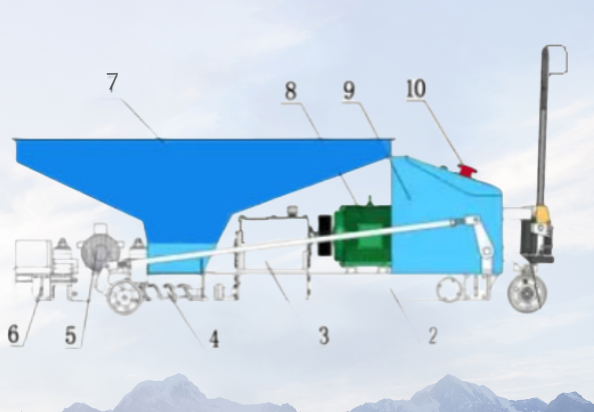
The structure of the precast wallpanel machine
Hydraulic Handle: For easy lifting and transportation of the extruder machine. Steel Frame: Provides robust support for the entire machine body, ensuring stability and durability. Gearbox: Drives the extrusion process, providing reliable power transmission for consistent performance. Feeding Screws: The extruder is equipped with 3 to 12 feeding screws, depending on the model, to efficiently feed the concrete mix into the system. Vibrating Motor: Ensures greater compaction of the concrete wall panel, improving density and strength. Lifting Hooks: Designed for safely lifting and transporting the machine during installation and relocation. Material Hopper: Holds and feeds raw materials into the extruder, ensuring smooth and consistent material flow. Main Motor: Powers the entire extrusion process, ensuring efficient operation and energy use.
Machine assembly drawing
Protective Cover: Safeguards electronic components and cables from dust, moisture, and damage during operation. Cable Sockets and Switches: Provide easy connections and control for the machine’s electrical systems. Note: The specifications and design of the concrete wall panel extruder may be subject to change without prior notice.
precast boundary wall making machine
Wall panel machine
Precast Wall Panel Machine
Features and advantages of Concrete wall panel extruder